

- When should you hire a criminal defense lawyer in Illinois?
- Police Contact vs Arrest vs Criminal Charge: When to Call a Lawyer
- What Not to Do Before Speaking With a Criminal Defense Lawyer
- When Do You Need a Criminal Defense Attorney Immediately in Illinois?
- 1. As Soon as You Are Arrested
- 2. If You Are Being Questioned by Police
- 3. When You Learn You Are Under Investigation
- 4. If You Are Charged With a Crime
- 5. When You Are Released on Conditions
- 6. If the Case Involves Felony Charges
- 7. When Evidence Needs to Be Challenged
- 8. Before Making Any Major Decision
- 9. If Your Job, License, or Immigration Status Is at Risk
- How to Schedule a Consultation With a Criminal Defense Lawyer in Springfield
- Not Sure Whether You Need a Criminal Defense Lawyer?
- Frequently Asked Questions About Hiring a Criminal Defense Lawyer
- When should I hire a criminal defense lawyer in Illinois?
- Should I hire a lawyer before charges are filed?
- Do I need a lawyer if police say I am not under arrest?
- Can a lawyer help if I already spoke to police?
- Should I speak with a lawyer before accepting a plea offer?
- What should I bring to a criminal defense consultation?
- How much does a criminal defense lawyer cost in Illinois?
- How quickly should I contact a criminal defense lawyer after an arrest?
Quick Answer
When should you hire a criminal defense lawyer in Illinois?
You should consider contacting a criminal defense lawyer as soon as police ask to interview you, identify you as a suspect, request consent to search your property or phone, arrest you, issue a summons or court date, impose release conditions, or file criminal charges. You do not have to wait until charges are formally filed to seek legal advice. Early representation may help protect your rights, preserve evidence, review police conduct, and prepare for upcoming court decisions.
People often wait to contact a defense attorney because they have not been arrested, believe the allegation is minor, or hope the situation will resolve without formal charges. However, legal risk may begin during an investigation, police interview, requested search, summons, or release hearing.
The right time to seek advice depends on what police are doing, whether court deadlines apply, and what consequences the allegation may create. This guide explains the situations in which legal representation should be considered and the decisions that should not be made without understanding the risks.
Police Contact vs Arrest vs Criminal Charge: When to Call a Lawyer
| Situation | Legal Risk | When to Contact a Lawyer |
|---|---|---|
| Police request an interview | Your answers may become evidence even when police say you are not under arrest. | Before answering questions or attending the interview. |
| You learn you are under investigation | Evidence and witness statements may already be collected before charges are filed. | As soon as you learn about the investigation. |
| Police ask to search property | Consent may affect whether police can rely on the search and resulting evidence. | Before consenting to a search or providing access to a device. |
| You are arrested | Statements, release conditions, and upcoming court dates may affect the case. | Before discussing the allegations or entering a plea. |
| You receive a summons or court date | Deadlines and mandatory appearances may already apply. | Before the first scheduled appearance. |
| You receive a plea offer | A plea may affect sentencing, records, employment, licensing, immigration, and firearm rights. | Before accepting, rejecting, or negotiating the offer. |
What Not to Do Before Speaking With a Criminal Defense Lawyer
| Avoid This | Why It Matters |
|---|---|
| Giving a detailed explanation to police | Incomplete or misunderstood statements may be used later. |
| Consenting to a search without advice | Consent may affect the legal analysis of the search. |
| Contacting an alleged victim or witness | The contact may violate an order or appear to be pressure or interference. |
| Deleting messages, video, or account information | Deletion may remove useful evidence and create additional credibility concerns. |
| Posting about the case online | Posts and screenshots may become evidence. |
| Ignoring court dates or release conditions | Noncompliance may lead to additional court action. |
When Do You Need a Criminal Defense Attorney Immediately in Illinois?

Some criminal matters create legal decisions before a case reaches trial or even before formal charges are filed. The situations below are common points when obtaining legal advice may be especially important.
1. As Soon as You Are Arrested
An arrest triggers a chain reaction. Law enforcement documents the event, prosecutors review potential charges, and release decisions are made. What you say or do during this time can shape the entire case.
A criminal defense lawyer steps in to protect your rights, advise you on silence, and begin assessing the legality of the arrest. Early involvement helps prevent mistakes that are difficult or impossible to undo later. If this is your first criminal case, review what may happen after a first arrest in Springfield, Illinois.
2. If You Are Being Questioned by Police
Police may request an interview even when they say you are not under arrest. The conversation may still be used to gather evidence, identify inconsistencies, or obtain consent to search property.
You should clearly state that you do not want to answer questions without legal advice. Miranda warnings are generally associated with custodial interrogation and are not required before every voluntary conversation.
Contact an attorney before attending an interview, giving a written statement, or providing access to a phone, vehicle, residence, or online account.
3. When You Learn You Are Under Investigation
An investigation may begin before an arrest or formal charge. Police may contact relatives, coworkers, alleged witnesses, or employers while gathering evidence.
A lawyer may advise you about police contact, preserve relevant evidence, identify witnesses, and communicate with investigators when appropriate. Early representation does not guarantee that charges will be avoided, but it may prevent unnecessary statements and evidence loss.
4. If You Are Charged With a Crime
Once charges are filed, deadlines apply and court appearances become mandatory. At this stage, decisions carry immediate and long-term consequences.
A criminal defense lawyer explains the charges, potential penalties, and available defenses. This guidance allows you to make informed decisions instead of reacting out of fear or confusion.
Once charges are filed, understanding the process ahead is important. Review the criminal case timeline in Illinois to understand what happens after charges begin.
5. When You Are Released on Conditions
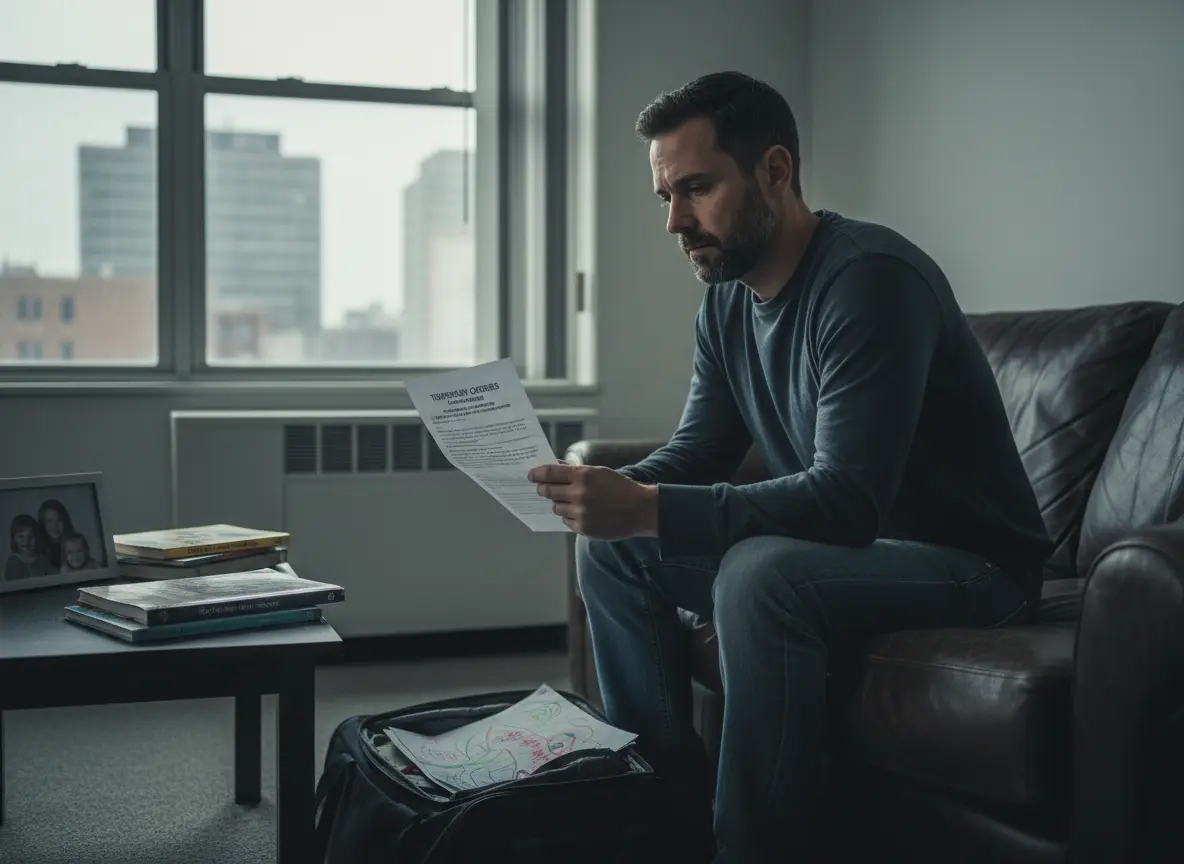
A release order may include no-contact provisions, reporting obligations, location restrictions, firearm conditions, monitoring, or travel limits.
Review the written order carefully. An alleged violation may lead to additional hearings, modified conditions, revocation of release, or another allegation depending on the circumstances.
Contact a lawyer promptly when a condition is unclear or when compliance affects employment, housing, children, medical care, or transportation. Learn more about detention hearings and court conditions under Illinois pretrial release law.
6. If the Case Involves Felony Charges
Felony allegations can involve incarceration, fines, probation, employment consequences, professional licensing issues, firearm restrictions, and a permanent criminal record.
The defense may require detailed discovery review, investigation, expert consultation, motion practice, negotiation, and trial preparation. The necessary work depends on the charge and evidence.
Seek legal advice before discussing the facts, accepting a plea, or assuming that the charge level cannot change.
7. When Evidence Needs to Be Challenged
A lawyer may need to review how police obtained statements, physical evidence, digital information, identification evidence, laboratory results, or property recovered during a search.
Potential issues may involve the legal basis for a stop, warrant scope, consent, probable cause, custodial questioning, chain of custody, testing procedures, or witness reliability.
A successful challenge may exclude or limit particular evidence, but it does not automatically dismiss the entire case. The effect depends on what admissible evidence remains. For vehicle cases, review when police can search a car during an Illinois traffic stop.
8. Before Making Any Major Decision
Before accepting any plea offer in an Illinois criminal case, make sure you fully understand the long-term consequences with your attorney’s guidance.
A criminal defense lawyer explains risks, benefits, and alternatives clearly so decisions are informed, not rushed.
9. If Your Job, License, or Immigration Status Is at Risk
Criminal charges often affect more than court outcomes. Employment, professional licenses, housing opportunities, and immigration status may all be impacted.
Legal guidance helps identify these collateral consequences early so they can be addressed strategically rather than discovered too late.
How to Schedule a Consultation With a Criminal Defense Lawyer in Springfield
If you are facing an investigation, arrest, or pending criminal charge, a criminal defense attorney in Springfield, Illinois can review the allegations, court deadlines, available evidence, and immediate legal issues that may need attention.
What to Do Before You Call
You do not need to have everything figured out before reaching out. However, having a few basic details ready helps the attorney understand your situation quickly:
- The nature of the charge or investigation
- Whether you have been arrested or simply contacted by police
- Any court dates or deadlines you are already aware of
- Any documents you have received such as a summons, bond conditions, or police contact information
Use the detailed checklist explaining what to bring to your first criminal defense attorney meeting.
What Happens During a Consultation
A consultation generally allows you to discuss the potential representation and relevant facts privately with the attorney. Confidentiality and attorney-client privilege can depend on the circumstances and whether an attorney-client relationship is formed, so avoid assuming that every conversation with any lawyer automatically creates full representation. The attorney can review your situation, identify immediate deadlines or risks, explain how Illinois law may apply, and discuss what representation could involve.
You are not obligated to hire anyone after a consultation. The goal is to give you enough information to make a confident decision.
Not Sure Whether You Need a Criminal Defense Lawyer?
Police contact, an investigation, an arrest, release conditions, or pending criminal charges can create deadlines and decisions before the case is resolved. A consultation can help you understand the allegations, immediate risks, possible defenses, and what steps may need attention next.
Schedule a Confidential ConsultationFrequently Asked Questions About Hiring a Criminal Defense Lawyer
When should I hire a criminal defense lawyer in Illinois?
Consider contacting a lawyer when police request an interview, identify you as a suspect, ask to search property, arrest you, issue a summons or court date, impose release conditions, or file criminal charges.
Should I hire a lawyer before charges are filed?
Legal advice may be useful before formal charges when police are investigating, requesting an interview, contacting witnesses, asking to search property or digital accounts, or treating you as a potential suspect.
Do I need a lawyer if police say I am not under arrest?
You may still face legal risk during a voluntary interview. Statements made before an arrest can become evidence, so consider obtaining legal advice before answering investigative questions.
Can a lawyer help if I already spoke to police?
Yes. Tell the lawyer what was discussed, when the conversation occurred, who was present, and whether it was recorded. The attorney can evaluate how the statements may affect the case.
Should I speak with a lawyer before accepting a plea offer?
Yes. Before responding to a plea offer, review the evidence, sentencing exposure, plea terms, available alternatives, and possible effects on employment, licensing, immigration, driving privileges, and firearm rights.
What should I bring to a criminal defense consultation?
Bring charging documents, court notices, release conditions, police paperwork, available evidence, a written timeline, witness information, and a list of questions.
How much does a criminal defense lawyer cost in Illinois?
Fees vary depending on the charge, complexity of the case, amount of legal work required, court appearances, investigation, motion practice, negotiations, and whether trial preparation is required.
How quickly should I contact a criminal defense lawyer after an arrest?
Consider contacting counsel as soon as practical after an arrest, particularly before discussing the allegations, appearing in court without understanding your obligations, or making decisions that may affect the case.