

Criminal Law

Harassment Through Electronic Communications in Illinois: When Texts, Calls, or Messages Can Lead to Charges

Texts, calls, voicemails, emails, social media messages, and other digital communications can lead to criminal charges in Illinois when they cross the line into harassment. What feels like venting, arguing, repeated messaging, or “just trying to get a response” may become a criminal issue depending on the specific type of message, the intent behind it,

Harassment Through Electronic Communications in Illinois: When Texts, Calls, or Messages Can Lead to Charges Read More »

Forgery Charges in Illinois: Checks, Documents, Signatures, and Felony Penalties

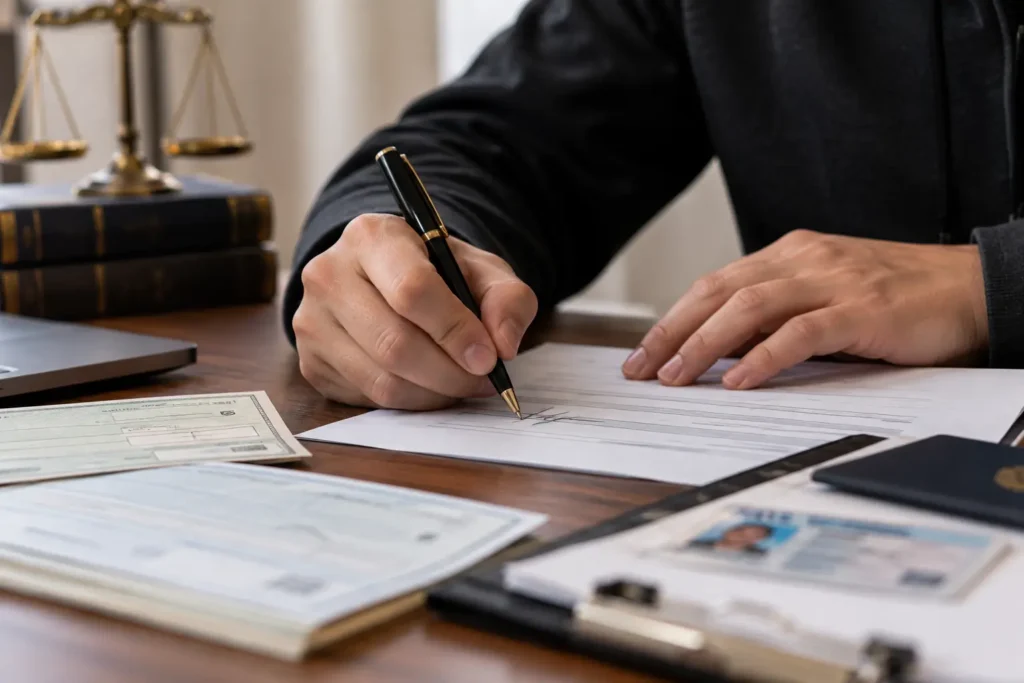
Forgery charges in Illinois can involve more than fake signatures. A forgery case may include checks, contracts, identification documents, financial records, prescriptions, titles, forms, electronic documents, academic credentials, Universal Price Code labels, coins, or other written instruments. Many people think forgery only means signing someone else’s name. In Illinois, the law is broader. A person

Forgery Charges in Illinois: Checks, Documents, Signatures, and Felony Penalties Read More »

Child Endangerment Charges in Illinois: Penalties, Examples, and Defense Options

Child endangerment charges in Illinois can affect far more than a criminal record. These cases often involve police, prosecutors, DCFS investigations, parenting time concerns, school or medical reports, family court issues, and sometimes employment or professional licensing problems. Illinois law calls this offense endangering the life or health of a child. A person may be

Child Endangerment Charges in Illinois: Penalties, Examples, and Defense Options Read More »

Identity Theft Charges in Illinois: Penalties, Felony Classes, and Defense Options

Identity theft charges in Illinois are serious felony offenses. A person may be accused of identity theft for using another person’s personal identifying information, personal identification documents, financial information, credit, money, goods, services, or other property without lawful authority. These cases can involve stolen credit cards, online purchases, bank accounts, checks, loan applications, rental scams,

Identity Theft Charges in Illinois: Penalties, Felony Classes, and Defense Options Read More »

Stalking Charges in Illinois: When Repeated Contact Becomes a Crime

Stalking charges in Illinois can arise when repeated contact, surveillance, threats, tracking, online messages, or unwanted communication crosses the line into criminal conduct. What may begin as texts, calls, visits, social media contact, or showing up in person can become a felony if prosecutors believe the conduct was repeated, knowingly directed at someone, and would

Stalking Charges in Illinois: When Repeated Contact Becomes a Crime Read More »

Burglary Charges in Illinois: Burglary vs. Residential Burglary Explained

Burglary charges in Illinois are serious felony offenses. Many people think burglary always means breaking into someone’s home, but Illinois law separates general burglary from residential burglary. The difference matters because the property involved, the alleged intent, and whether the place is a dwelling can change the charge and penalties. General burglary may involve buildings,

Burglary Charges in Illinois: Burglary vs. Residential Burglary Explained Read More »

Disorderly Conduct in Illinois: What Can Get You Charged and What Happens Next

Disorderly conduct in Illinois is a broad criminal charge. It can cover public disturbances, false reports, emergency-related calls, certain intrusive conduct, and other actions that police or prosecutors believe created alarm, disruption, or public safety problems. Many people think disorderly conduct means yelling in public or causing a scene. Sometimes it does. But Illinois disorderly

Disorderly Conduct in Illinois: What Can Get You Charged and What Happens Next Read More »

Battery Charges in Illinois: Misdemeanor vs. Felony Penalties

Battery charges in Illinois can range from a misdemeanor to a serious felony. The difference depends on what happened, whether someone was injured, who the alleged victim was, where the incident occurred, whether a weapon was involved, and whether aggravating factors apply. A simple battery charge may come from an argument, fight, unwanted physical contact,

Battery Charges in Illinois: Misdemeanor vs. Felony Penalties Read More »

Illinois Criminal Accountability Law: Can You Be Charged for Someone Else’s Crime?

In Illinois, you can sometimes be charged for a crime even if you were not the person who physically committed the act. This is called accountability. It means the State may try to hold one person legally responsible for another person’s conduct when they believe both people were working together, helping each other, or sharing

Illinois Criminal Accountability Law: Can You Be Charged for Someone Else’s Crime? Read More »

Illinois Battery Charges: Misdemeanor vs. Felony Penalties and Aggravated Battery

Battery charges in Illinois can range from a misdemeanor to a serious felony. The difference depends on the facts of the case, the level of harm, the identity of the alleged victim, whether a weapon was used, and where the incident happened. A simple battery charge may involve unwanted physical contact, an argument that became

Illinois Battery Charges: Misdemeanor vs. Felony Penalties and Aggravated Battery Read More »

FREE CONSULTATION 217-528-2183