
- Quick Answer
- What Is Reckless Driving in Illinois?
- When Does a Traffic Ticket Become Reckless Driving in Illinois?
- Can Severe Speeding Lead to Reckless Driving Charges in Illinois?
- Can Aggressive Driving Lead to Reckless Driving Charges in Illinois?
- Can Dangerous Driving Stunts be Charged as Reckless Driving?
- What Other Driving Behaviors Can Be Considered Reckless in Illinois?
- Misdemeanor vs. Felony Reckless Driving in Illinois
- When is Reckless Driving a Class A Misdemeanor in Illinois?
- When Does Reckless Driving Become a Felony in Illinois?
- Can Reckless Driving Affect Your Driver's License in Illinois?
- Reckless Driving vs. DUI in Illinois: What's the Difference?
- What Other Charges Can Accompany Reckless Driving in Illinois?
- What Are Common Defenses to Reckless Driving in Illinois?
- What To Do After a Reckless Driving Charge in Illinois
- How a Defense Attorney Can Fight the Charge
- Speak With a Springfield Reckless Driving Defense Attorney
- Charged With Reckless Driving in Illinois?
- Key Takeaways About Reckless Driving Charges in Illinois
- Frequently Asked Questions
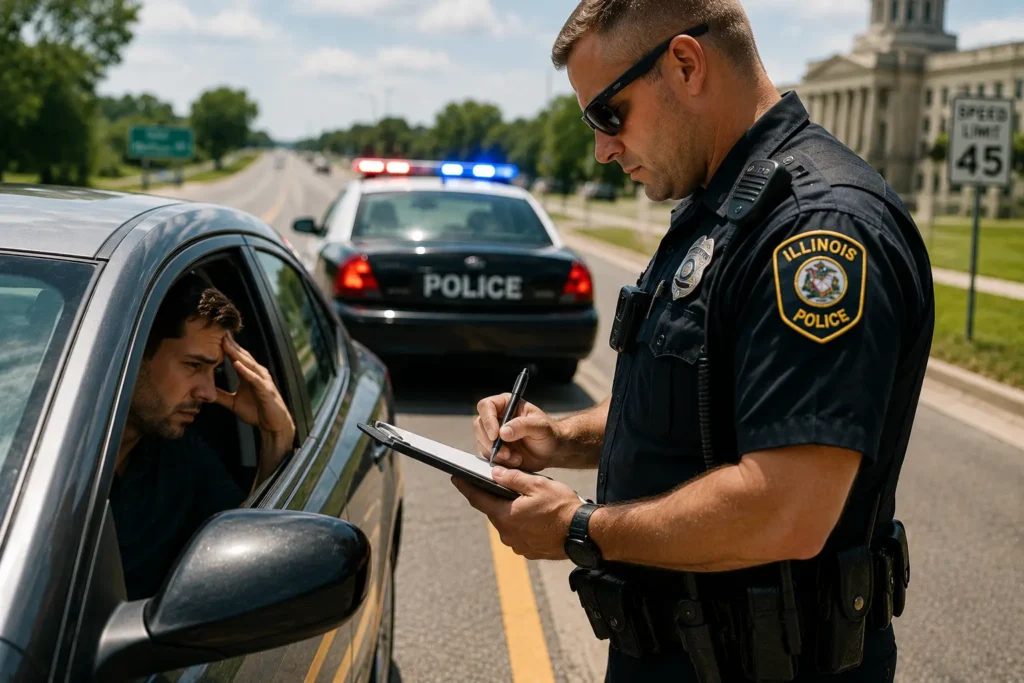
A traffic ticket in Illinois can be annoying, expensive, and stressful. But reckless driving is different. Reckless driving is not just a basic ticket. It is a criminal charge.
Many drivers are surprised when a police officer says they are being charged with reckless driving instead of ordinary speeding or another moving violation. The difference matters because reckless driving can lead to jail exposure, fines, probation, court appearances, license consequences, higher insurance rates, and a permanent criminal record.
In Illinois, reckless driving may be charged when the State believes a driver operated a vehicle with willful or wanton disregard for the safety of people or property. That can include severe speeding, aggressive maneuvers, dangerous stunts, or other high-risk behavior. If someone is seriously hurt, the charge can become aggravated reckless driving, which may be a felony.
If you were charged with reckless driving in Springfield, Sangamon County, or anywhere in Illinois, do not treat it like a normal traffic ticket. Once the case becomes criminal, the stakes change fast.
Quick Answer
Reckless driving in Illinois is a criminal charge, not just a traffic ticket. It generally involves allegations that a driver operated a vehicle with willful or wanton disregard for the safety of people or property. Standard reckless driving is usually a Class A misdemeanor, while aggravated reckless driving may become a felony when serious injuries or specific circumstances are involved.
What Is Reckless Driving in Illinois?
Reckless driving happens when a person drives with willful or wanton disregard for the safety of people or property. In plain English, the State must show more than a small mistake. The allegation usually involves driving that police or prosecutors believe created a serious risk.
Reckless driving may involve:
- Severe speeding
- Swerving through traffic
- Tailgating at high speed
- Racing behavior
- Dangerous passing
- Ignoring traffic signals
- Driving on shoulders or sidewalks
- Dangerous stunts
- Losing control of the vehicle
- Driving aggressively near pedestrians or other cars
- High-risk behavior during a traffic stop, DUI investigation, theft case, or drug possession arrest
The facts matter. A bad driving moment does not always equal reckless driving. The State still has to prove the legal elements of the charge.
When Does a Traffic Ticket Become Reckless Driving in Illinois?
When a Ticket becomes Reckless Driving depends on the officer’s observations, the driving behavior, whether anyone was endangered, whether a crash occurred, and whether aggravating facts were present.
A regular traffic ticket may involve a specific violation, such as speeding, improper lane usage, failure to signal, or failure to reduce speed.
Reckless driving is broader. It focuses on dangerous conduct and disregard for safety.
A traffic ticket may become reckless driving if police claim the driver:
- Drove at an extreme speed
- Weaved through lanes aggressively
- Nearly hit another vehicle
- Caused a crash
- Ignored obvious safety risks
- Fled or tried to avoid police
- Performed stunts on a public road
- Drove dangerously in a school zone or construction zone
- Put passengers, pedestrians, or workers at risk
The difference is not always clean. That is why a defense attorney may review video, radar records, witness statements, crash reports, and officer testimony.
Can Severe Speeding Lead to Reckless Driving Charges in Illinois?
Severe speeding can lead to reckless driving, especially when the speed creates obvious danger. Illinois already has a separate aggravated speeding law for driving 26 mph or more over the limit, but police may also use reckless driving when the circumstances make the conduct look more dangerous.
Severe speeding may become reckless driving when combined with:
- Heavy traffic
- Bad weather
- School zones
- Construction zones
- Pedestrians nearby
- Tailgating
- Lane weaving
- Racing behavior
- A crash
- Passengers in the vehicle
- DUI suspicion
- Drug possession or other criminal allegations during the stop
Speed alone is not always the whole case. The road, traffic, weather, location, and officer observations may all matter.
Can Aggressive Driving Lead to Reckless Driving Charges in Illinois?
Aggressive Maneuvers are another common reason police issue reckless driving charges.
Examples may include:
- Cutting off other drivers
- Rapid lane changes
- Tailgating
- Brake checking
- Passing on the shoulder
- Driving into oncoming lanes
- Failing to yield in a dangerous way
- Ignoring traffic signals
- Swerving around vehicles
- Blocking another driver
Police may describe these actions as showing disregard for safety. The defense may challenge whether the driving was actually reckless or whether the officer misunderstood what happened.
Sometimes video tells a different story. Body camera, dash camera, traffic camera, and nearby business footage can be pivotal.
Can Dangerous Driving Stunts be Charged as Reckless Driving?
Dangerous Stunts can quickly turn a traffic matter into a criminal case. Illinois reckless driving law specifically includes driving a vehicle in a way that causes it to become airborne, such as using an incline, bridge approach, railroad crossing, or hill to lift the vehicle off the ground.
Dangerous stunts may include:
- Jumping a vehicle
- Donuts in a public area
- Burnouts near traffic
- Street racing-style behavior
- Drifting in parking lots or public roads
- Driving onto sidewalks or public spaces
- High-speed challenges or social media stunts
A stunt may feel like a few seconds of bad judgment, but in court, it can look like deliberate risk. That is the kind of “content creation” that can create criminal charges. Zero stars, would not recommend.
What Other Driving Behaviors Can Be Considered Reckless in Illinois?
High-Risk Behavior can involve more than speed or stunts. Courts may look at the full driving situation.
High-risk behavior may include:
- Driving impaired
- Driving while distracted
- Driving with passengers in danger
- Driving during a police pursuit
- Road rage conduct
- Driving near pedestrians
- Driving through crowded areas
- Driving while license suspended
- Ignoring emergency vehicles
- Unsafe driving after a theft, drug possession, or DUI-related stop
Reckless driving charges often depend on context. The same maneuver may be treated differently on an empty rural road than near a school, work zone, or busy intersection.
Misdemeanor vs. Felony Reckless Driving in Illinois
Misdemeanor vs. Felony Penalties depend on whether the case is standard reckless driving or aggravated reckless driving.
The major difference is injury. If reckless driving causes serious harm, the charge may be upgraded.
Illinois law generally treats reckless driving as a Class A misdemeanor. Aggravated reckless driving can be a felony when it causes great bodily harm, permanent disability, or disfigurement. Certain cases involving harm to a child or school crossing guard can be charged more severely.
When is Reckless Driving a Class A Misdemeanor in Illinois?
Class A Misdemeanor (Standard) reckless driving is the most common reckless driving charge in Illinois.
Possible consequences may include:
- Up to 364 days in jail
- Fines and court costs
- Probation
- Conditional discharge
- Community service
- Driver’s license consequences
- Increased insurance rates
- Criminal record if convicted
- Employment or housing background check concerns
Even if jail is not imposed, a reckless driving conviction can still follow someone. For CDL drivers, delivery drivers, rideshare drivers, sales employees, field workers, and anyone who drives for work, the employment impact can be serious.
When Does Reckless Driving Become a Felony in Illinois?
Class 4 or Class 3 Felony (Aggravated) reckless driving may apply when the driving causes serious injury or involves certain protected victims.
Aggravated reckless driving may be charged as a Class 4 felony when reckless driving causes great bodily harm, permanent disability, or disfigurement to another person. It may become a Class 3 felony in certain cases involving bodily harm or permanent disability or disfigurement to a child or school crossing guard.
Felony consequences may include:
- Prison exposure
- Longer probation
- Higher fines and costs
- Restitution
- Driver’s license consequences
- Permanent felony record if convicted
- Employment and housing problems
- Professional licensing issues
- Immigration concerns for non-citizens
A felony reckless driving case should be handled urgently. The defense may need to review crash reconstruction, medical records, road conditions, witness statements, video, and police procedure.
Can Reckless Driving Affect Your Driver’s License in Illinois?
Yes. Reckless driving can affect your driver’s license, especially if you have prior violations, a young driver status, CDL status, or other pending traffic cases.
License consequences may include:
- Points on your driving record
- Suspension risk
- Insurance increases
- CDL employment issues
- Employer driving policy violations
- Problems with future traffic cases
- Longer-term record concerns
If reckless driving is connected to DUI, driving while suspended, aggravated speeding, or a crash, the license consequences may be more serious.
Reckless Driving vs. DUI in Illinois: What’s the Difference?
Reckless driving and DUI are different charges, but they sometimes appear in the same case.
DUI focuses on driving under the influence of alcohol, drugs, cannabis, medication, or intoxicating compounds. Reckless driving focuses on dangerous operation of the vehicle.
A DUI case may involve reckless driving allegations if police claim the driver:
- Swerved
- Nearly caused a crash
- Drove at high speed
- Ignored traffic signals
- Drove into another lane
- Endangered passengers or pedestrians
In some DUI cases, reckless driving may be discussed during plea negotiations. However, every case is different, and a driver should not assume a DUI can always be reduced.
What Other Charges Can Accompany Reckless Driving in Illinois?
Reckless driving may also appear with other allegations.
Related charges may include:
- DUI
- Drug possession
- Theft
- Possession of stolen property
- Resisting or obstructing
- Driving while license suspended
- Leaving the scene of an accident
- Aggravated speeding
- Weapons charges
- Probation violation
For example, if police stop a vehicle for severe speeding and find suspected drugs, the driver may face both reckless driving and drug possession charges. If the driving happened after an alleged theft, prosecutors may argue the driving was part of a dangerous escape. If DUI is suspected, the case may involve both impairment evidence and reckless conduct.
When multiple charges are involved, the defense strategy needs to cover the whole case, not just the traffic allegation.
What Are Common Defenses to Reckless Driving in Illinois?
A reckless driving charge can be defended. The strategy depends on the facts.
Possible defense issues may include:
- The driving was careless but not reckless
- Speed estimate was inaccurate
- Radar or lidar evidence is weak
- Officer did not observe the full event
- Video contradicts the report
- Witnesses are unreliable
- Road or weather conditions explain the conduct
- Another driver caused the danger
- No one was actually endangered
- The State cannot prove willful or wanton disregard
- The stop was unlawful
- Evidence was obtained improperly
- The felony injury allegation is unsupported
The defense may focus on reducing the charge, avoiding conviction, protecting the license, or taking the case to trial when appropriate.
A criminal defense attorney in Springfield can review the evidence, challenge the allegations, and explain possible defense strategies for your case.
What To Do After a Reckless Driving Charge in Illinois
If you are charged with reckless driving in Illinois, take the case seriously.
You should:
- Save the ticket and court paperwork
- Write down what happened privately
- Note traffic, weather, and road conditions
- Identify passengers or witnesses
- Save dash camera footage if available
- Look for nearby traffic or business cameras
- Avoid posting about the driving online
- Do not miss court
- Avoid new traffic violations
- Speak with a criminal defense attorney
Do not just pay the ticket without understanding the legal consequences. Reckless driving is a criminal charge, not a basic traffic fine.
How a Defense Attorney Can Fight the Charge
A Springfield criminal defense attorney can review the charge, evidence, and possible defenses.
An attorney may help by:
- Reviewing police reports
- Requesting dash camera or body camera footage
- Reviewing speed evidence
- Checking radar or lidar issues
- Interviewing witnesses
- Reviewing crash evidence
- Challenging injury allegations
- Negotiating with prosecutors
- Seeking reduction or dismissal
- Preparing for trial
- Protecting your license and record
The goal is to reduce the damage and pursue the best available outcome.
Speak With a Springfield Reckless Driving Defense Attorney
If you were charged with reckless driving in Springfield, Sangamon County, or Central Illinois, do not treat the case like a normal ticket.
Whether the allegation involves severe speeding, aggressive maneuvers, dangerous stunts, high-risk behavior, DUI, theft, drug possession, or a crash, early legal help can make a major difference.
A Springfield criminal defense attorney can explain the charge, review the evidence, and help protect your record, license, and future.
Charged With Reckless Driving in Illinois?
Reckless driving is a criminal charge that can affect your record, license, insurance, and future opportunities. A defense attorney can review the evidence, driving conduct, and possible defenses before the case moves forward.
Schedule a Confidential ConsultationKey Takeaways About Reckless Driving Charges in Illinois
Reckless driving in Illinois is a criminal charge, not just a traffic ticket. A case may begin with severe speeding, aggressive maneuvers, dangerous stunts, or high-risk behavior, but the consequences can include jail exposure, fines, probation, license problems, and a permanent criminal record.
Standard reckless driving is generally a Class A misdemeanor. Aggravated reckless driving may be charged as a Class 4 felony or Class 3 felony depending on injury, victim status, and the facts of the case.
If you were charged with reckless driving in Springfield or Sangamon County, speak with a criminal defense attorney as soon as possible. Early defense work can help challenge the evidence, protect your license, and reduce the long-term impact of the charge.
Frequently Asked Questions
Is reckless driving a criminal charge in Illinois?
Reckless driving is a criminal offense in Illinois, not just a traffic ticket. A conviction may result in penalties such as fines, probation, license consequences, and a criminal record.
Can speeding alone lead to reckless driving charges in Illinois?
Speed alone does not always determine reckless driving. The circumstances, road conditions, traffic, surrounding conduct, and whether the driving created a serious safety risk may all matter.
Can reckless driving be reduced to a lesser charge?
In some cases, a defense attorney may negotiate with prosecutors for reduced charges depending on the evidence, driving history, and circumstances of the case.
Does reckless driving affect my driver’s license in Illinois?
Yes. A reckless driving conviction may affect your driving record, insurance, and potentially your license depending on the circumstances and prior history.
Can reckless driving become a felony in Illinois?
Yes. Aggravated reckless driving may be charged as a felony when the conduct causes certain serious injuries or involves specific circumstances.