
- Quick Answer
- Charged With Retail Theft in Illinois?
- What Counts as Retail Theft in Illinois?
- When Does Shoplifting Become a Criminal Charge in Illinois?
- Retail Theft Charges in Illinois: Misdemeanor vs Felony
- What Are Common Examples of Retail Theft in Illinois?
- When Is Retail Theft a Misdemeanor in Illinois?
- What Happens for a First-Time Retail Theft Charge in Illinois?
- What Are the Penalties for Class A Misdemeanor Retail Theft in Illinois?
- When Is Retail Theft a Felony in Illinois?
- When Is Retail Theft a Class 4 Felony in Illinois?
- When Is Retail Theft a Class 3 Felony in Illinois?
- What Can Increase a Retail Theft Charge in Illinois?
- How Does Using an emergency exit Affect an Illinois Retail Theft Charge?
- What Is Organized Retail Theft in Illinois?
- What Happens After a Retail Theft Arrest in Illinois?
- Charged With Retail Theft in Illinois?
- What Are Common Defenses to Retail Theft Charges in Illinois?
- What Evidence Matters in an Illinois Retail Theft Case?
- How Does Merchandise Value Affect Retail Theft Charges in Illinois?
- What Other Charges Can Accompany Retail Theft in Illinois?
- What Are the Long-Term Consequences of Retail Theft in Illinois?
- What to Do After Being Charged With Retail Theft in Illinois
- How a Defense Attorney Can Fight an Illinois Retail Theft Charge
- Speak With a Retail Theft Defense Attorney in Springfield, IL
- Illinois Retail Theft Charges: Key Takeaways
- Frequently Asked Questions About Retail Theft in Illinois
- Can a first-time retail theft charge be dismissed in Illinois?
- Does returning stolen merchandise remove a retail theft charge?
- Can retail theft affect employment in Illinois?
- Can police charge you with retail theft without video evidence in Illinois?
- Can police charge you with retail theft without video evidence in Illinois?
- Can a retail theft charge affect a professional license in Illinois?
Retail theft in Illinois is more serious than many people realize. What may look like a simple shoplifting accusation can become a criminal charge with jail exposure, fines, probation, a permanent record, and long-term problems with employment, housing, school, and professional licensing.
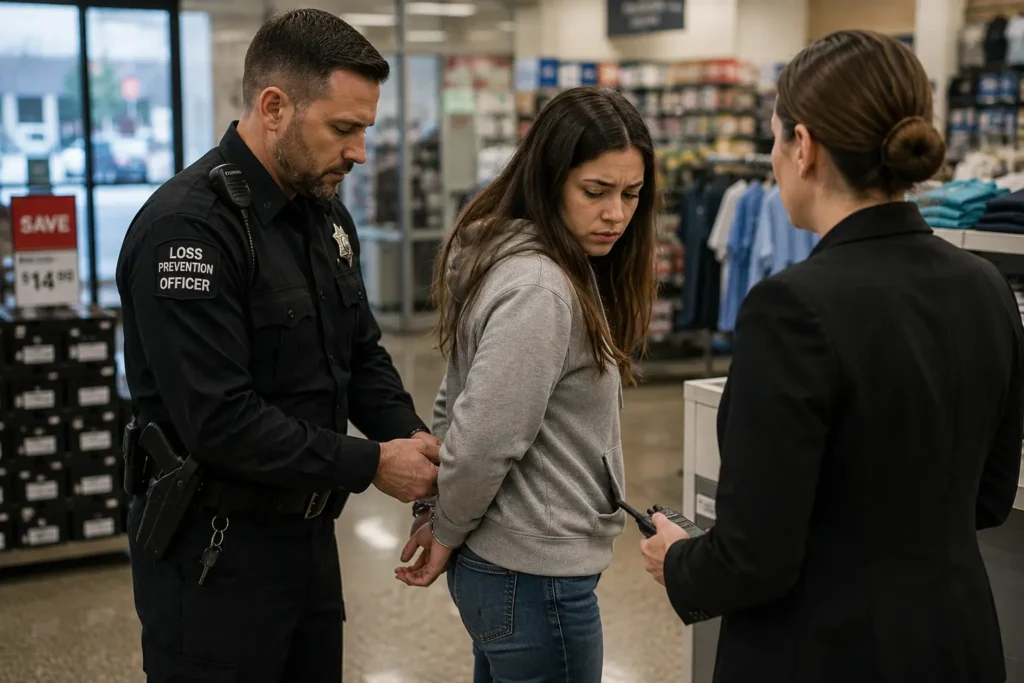
A retail theft case may begin in a store, parking lot, mall, grocery store, pharmacy, gas station, or self-checkout lane. Some people are accused of walking out with unpaid merchandise. Others are accused of switching price tags, under-ringing items, using a receipt fraud scheme, or helping someone else leave with merchandise.
Even a first-time retail theft charge can create real consequences. If the value is high, prior convictions exist, an emergency exit is used, or organized retail theft is alleged, the case can become a felony.
If you were charged with retail theft in Springfield, Sangamon County, or anywhere in Illinois, do not assume it is just a store problem. Once police are involved, it is a criminal case.
Quick Answer
Retail theft becomes a criminal charge in Illinois when someone is accused of knowingly taking merchandise, using deception, altering prices, under-ringing items, or depriving a store of the full retail value of property. A first offense involving merchandise valued at $300 or less is often a Class A misdemeanor, while higher values, prior convictions, emergency exit allegations, or organized retail theft claims may increase the charge.
Charged With Retail Theft in Illinois?
A retail theft charge does not automatically mean a conviction. Reviewing surveillance footage, store records, merchandise value, and the circumstances of the incident may reveal defenses or opportunities for a better outcome.
What Counts as Retail Theft in Illinois?
Retail theft is commonly called shoplifting, but Illinois law covers more than walking out of a store with unpaid items.
A person may be accused of retail theft for actions such as:
- Taking merchandise without paying
- Carrying merchandise away from a store
- Altering or removing price tags
- Switching labels or packaging
- Under-ringing items at checkout
- Using self-checkout dishonestly
- Transferring merchandise into another container
- Using a false receipt or return scheme
- Possessing theft detection shielding devices
- Leaving through an emergency exit with merchandise
- Helping another person commit retail theft
The State must prove the required intent. A mistake, confusion, scanning error, or misunderstanding is not always the same as criminal theft. That is why the facts matter.
When Does Shoplifting Become a Criminal Charge in Illinois?
Shoplifting becomes a criminal charge when police, store security, or prosecutors believe the person knowingly intended to deprive the store of the full retail value of merchandise.
This can happen when:
- Store security detains the person
- Police are called to the store
- The person is issued a citation
- The person is arrested
- Surveillance footage is reviewed
- Store employees provide statements
- The alleged value of items is documented
- Prior theft history is discovered
The case may also become more serious if police find other alleged offenses during the same incident, such as DUI, drug possession, an outstanding warrant, or possession of stolen property.
Retail Theft Charges in Illinois: Misdemeanor vs Felony
| Charge Level | Common Situation |
|---|---|
| Class A misdemeanor | First offense involving merchandise valued at $300 or less |
| Class 4 felony | Certain repeat offenses or emergency exit allegations |
| Class 3 felony | Merchandise value over $300 or certain aggravated situations |
What Are Common Examples of Retail Theft in Illinois?
Retail theft allegations may involve many different situations.
Examples include:
- Leaving a store without paying
- Forgetting to scan items at self-checkout
- Scanning cheaper items instead of more expensive items
- Placing items in a purse, backpack, stroller, or jacket
- Changing price stickers
- Returning stolen merchandise for store credit
- Using another person’s receipt
- Pushing a cart out of the store
- Working with another person to distract employees
- Leaving through a side door or emergency exit
Not every accusation is accurate. Stores may misunderstand what happened, self-checkout systems may create confusion, and security footage may not show the full context.
When Is Retail Theft a Misdemeanor in Illinois?
Misdemeanor charges usually apply when the alleged value of the merchandise is lower and the person does not have certain prior convictions or aggravating circumstances.
For many first-time retail theft cases, the charge may be a Class A misdemeanor if the value is $300 or less.
A misdemeanor retail theft charge is still serious. It can result in:
- Arrest or citation
- Court appearances
- Fines and court costs
- Probation or conditional discharge
- Court supervision in some eligible cases
- Community service
- Restitution
- Store ban or trespass notice
- Criminal record if convicted
The biggest mistake is thinking a misdemeanor is harmless. A theft-related conviction can look bad on a background check because employers may view it as a dishonesty offense.
What Happens for a First-Time Retail Theft Charge in Illinois?
A first retail theft charge can still create serious consequences even when the merchandise value is low.
A first-time offender may have options that do not involve a permanent conviction, depending on the facts of the case, eligibility requirements, and the court process.
Important factors may include:
- The value of the merchandise
- Whether the person has prior theft convictions
- Whether the store recovered the items
- Whether there was confusion or mistake
- Whether the person qualifies for court supervision or another resolution
A first offense should not be ignored simply because it is labeled a misdemeanor.
What Are the Penalties for Class A Misdemeanor Retail Theft in Illinois?
A Class A misdemeanor is the most serious misdemeanor level in Illinois. For retail theft, this usually applies to a first offense involving property valued at $300 or less, unless another rule increases the charge.
Possible Class A misdemeanor penalties may include:
- Up to 364 days in jail
- Fines and court costs
- Probation
- Conditional discharge
- Court supervision if available
- Restitution to the store
- Criminal record if convicted
For students, nurses, teachers, drivers, government workers, retail employees, and licensed professionals, even a misdemeanor theft case can create an outsized impact. The collateral damage can be more annoying than the court fine, and way less cute.
When Is Retail Theft a Felony in Illinois?
Retail theft can become a felony in several situations. Felony charges are more serious because they can carry prison exposure and long-term consequences.
A retail theft charge may become a felony if:
- The merchandise value is more than $300
- The person has certain prior theft-related convictions
- The person uses an emergency exit
- Organized retail theft is alleged
- The case involves a larger scheme
- The alleged conduct involves multiple people or repeated incidents
- Other criminal charges are connected to the stop or arrest
Felony retail theft can affect employment, housing, immigration status for non-citizens, professional licensing, firearm rights, and future sentencing exposure.
When Is Retail Theft a Class 4 Felony in Illinois?
Retail theft may be charged as a Class 4 felony in certain situations. One common example is when the person is accused of retail theft involving property valued at $300 or less but has a prior theft-related conviction.
Theft by emergency exit involving property valued at $300 or less can also be charged as a Class 4 felony.
Possible Class 4 felony penalties may include:
- 1 to 3 years in prison
- Probation in eligible cases
- Fines and court costs
- Restitution
- Permanent felony record if convicted
- Employment and housing consequences
A Class 4 felony is the lowest felony class in Illinois, but “lowest felony” is still a felony. That label can follow a person long after court is over.
When Is Retail Theft a Class 3 Felony in Illinois?
Retail theft is generally a Class 3 felony when the full retail value of the merchandise is more than $300.
A Class 3 felony may also apply in certain repeat or aggravated circumstances, including some emergency exit situations with prior theft-related convictions.
Possible Class 3 felony penalties may include:
- 2 to 5 years in prison
- Probation in eligible cases
- Fines and court costs
- Restitution
- Permanent felony record if convicted
- Serious background check consequences
A Class 3 felony retail theft case should be handled carefully from the beginning. The defense may need to challenge value, intent, identification, surveillance evidence, police procedure, or whether the alleged conduct legally qualifies as retail theft.
What Can Increase a Retail Theft Charge in Illinois?
Aggravating factors can make a retail theft case more serious. These are facts that may cause the prosecutor or judge to treat the case as higher risk.
Aggravating factors may include:
- Prior theft convictions
- High value merchandise
- Multiple stores or incidents
- Multiple people involved
- Use of booster bags or shielding devices
- Use of an emergency exit
- Alleged resale activity
- Organized retail theft claims
- False returns or receipt fraud
- Theft while on probation or pretrial release
- New charges discovered during the same incident, such as DUI or drug possession
- Alleged threats, force, or resisting store security
These details can affect plea negotiations, sentencing, and whether prosecutors are willing to reduce the charge.
How Does Using an emergency exit Affect an Illinois Retail Theft Charge?
The phrase “Emergency Exists” is often used by mistake when people mean emergency exits. In retail theft law, an emergency exit can make the case more serious.
Leaving through an emergency exit with merchandise can elevate the charge because Illinois law treats theft by emergency exit differently from ordinary retail theft.
This issue may arise when a person is accused of:
- Leaving through a fire door
- Using a side exit
- Triggering an alarm
- Avoiding normal checkout lanes
- Leaving through a restricted exit
- Helping someone else exit with merchandise
A defense attorney may review whether the door was truly an emergency exit, whether the person knowingly used it, whether merchandise was actually taken, and whether the value was properly calculated.
What Is Organized Retail Theft in Illinois?
Organized retail theft involves more than a single isolated shoplifting accusation. Prosecutors may use this label when they believe multiple people, repeated incidents, resale activity, or a coordinated plan was involved.
Organized retail theft allegations may include:
- Multiple suspects
- Multiple stores
- Repeated thefts
- Resale of merchandise
- Online marketplace activity
- Use of lookouts or distraction tactics
- Booster bags or shielding devices
- Return fraud schemes
- Coordinated transportation
- Large amounts of merchandise
These cases can become complex because police may rely on surveillance, store databases, receipts, phone records, witness statements, license plate readers, or social media evidence.
If organized retail theft is alleged, do not try to explain the situation to police without an attorney. One casual statement can tie you to more conduct than the State could otherwise prove.
What Happens After a Retail Theft Arrest in Illinois?
After a retail theft arrest or citation, the process may include:
- Store detention
- Police report
- Citation or arrest
- Booking in some cases
- Court date
- Arraignment
- Discovery
- Negotiations
- Motion hearings
- Trial or plea
- Sentencing if convicted
In some cases, the person may also receive a civil demand letter from the store or a notice banning them from the property. A store ban is separate from the criminal case, but violating it can create a trespass issue.
Charged With Retail Theft in Illinois?
A retail theft arrest can affect your record, employment, and future opportunities. Andrew Affrunti can review the evidence, store reports, surveillance footage, alleged value of merchandise, and possible defenses before you make decisions about your case.
Schedule a Confidential ConsultationWhat Are Common Defenses to Retail Theft Charges in Illinois?
Yes. Retail theft cases can be defended, especially when the evidence is weak, the facts are unclear, or the incident involved a mistake.
Possible defense issues may include:
- Lack of intent
- Mistake or accident
- Self-checkout error
- Misidentification
- Unclear surveillance footage
- Incorrect merchandise value
- No proof the person passed the final point of sale
- False accusation
- Store employee error
- Lack of possession
- No proof of concealment
- Police search issues
- Improper questioning
- Weak organized theft evidence
A retail theft charge is not a conviction. The State still has to prove the case.
What Evidence Matters in an Illinois Retail Theft Case?
Important evidence may include:
| Evidence | Why It Matters |
|---|---|
| Security footage | May show what actually happened inside the store. |
| Receipts or payment records | May challenge whether merchandise was unpaid. |
| Store reports | May reveal how the accusation was documented. |
| Witness statements | May support or contradict the allegation. |
| Item value records | May affect whether the charge is misdemeanor or felony. |
How Does Merchandise Value Affect Retail Theft Charges in Illinois?
The value of the merchandise can change the charge level. In Illinois, $300 is a key threshold in many retail theft cases.
The defense may review:
- Actual retail price
- Sale price
- Discounts
- Whether the items were recovered
- Whether all items were properly listed
- Whether tax was improperly included
- Whether the store documented value correctly
- Whether the alleged total crosses the felony threshold
A few dollars can matter if the case is close to the felony line. That is why the itemized receipt or store report should be reviewed carefully.
What Other Charges Can Accompany Retail Theft in Illinois?
Retail theft may be charged by itself, but it can also appear with other criminal allegations.
A person may face retail theft along with:
- DUI after leaving the store
- Drug possession found during arrest
- Possession of stolen property
- Resisting or obstructing
- Trespass
- Forgery or fraud
- Burglary allegations
- Weapons charges
- Probation violation
- Warrant arrest
When multiple charges are involved, the defense must look at the entire case. A theft allegation may affect bond conditions, probation status, employment, and negotiations in other pending matters.
Retail theft cases may involve additional allegations after an arrest. If police claim another offense occurred during the same incident, understanding your criminal defense options early is important.
What Are the Long-Term Consequences of Retail Theft in Illinois?
Retail theft can create problems beyond court penalties. Because theft is considered a dishonesty-related offense, it may affect how employers, landlords, licensing boards, and schools view the person.
Collateral consequences may include:
- Job application problems
- Termination from current employment
- Professional licensing issues
- Housing application problems
- Immigration concerns for non-citizens
- School discipline
- Loss of scholarships or programs
- Probation violation
- Security clearance concerns
- Reputation damage
- Store bans
These consequences are why many defendants focus on avoiding a conviction when possible.
What to Do After Being Charged With Retail Theft in Illinois
If you are charged with retail theft in Illinois, take the case seriously.
You should:
- Save all paperwork
- Write down what happened privately
- Do not contact store employees
- Do not return to the store if banned
- Do not post about the case online
- Gather receipts or proof of payment
- Identify witnesses
- Preserve messages or bank records
- Attend every court date
- Speak with a criminal defense attorney
Do not assume the charge will disappear because the item was returned. Returning merchandise does not automatically erase a criminal case.
How a Defense Attorney Can Fight an Illinois Retail Theft Charge
A Springfield criminal defense attorney can review the evidence and build a defense strategy based on the exact facts.
An attorney may help by:
- Reviewing the police report
- Reviewing store security reports
- Requesting surveillance footage
- Checking the alleged value
- Challenging intent
- Challenging identification
- Negotiating with prosecutors
- Seeking court supervision if available
- Fighting felony enhancement
- Arguing for dismissal or reduction
- Protecting your record
The goal is to reduce the damage and pursue the best possible outcome.
Speak With a Retail Theft Defense Attorney in Springfield, IL
If you are charged with retail theft in Springfield, Sangamon County, or Central Illinois, do not treat it like a simple shopping mistake. Retail theft can be charged as a Class A misdemeanor, Class 4 felony, or Class 3 felony depending on value, prior record, emergency exit allegations, and aggravating factors.
Whether your case involves shoplifting, self-checkout error, theft, organized retail theft, DUI, drug possession, or another related charge, early legal help can make a major difference.
Illinois Retail Theft Charges: Key Takeaways
Retail theft in Illinois can become a criminal charge when someone is accused of taking merchandise, under-ringing items, switching prices, using deception, or depriving a store of full retail value.
A first offense involving merchandise valued at $300 or less is often charged as a Class A misdemeanor. Retail theft over $300 is generally a Class 3 felony. Prior theft-related convictions, emergency exit allegations, organized retail theft, and other aggravating factors can increase the seriousness of the case.
If you were charged with retail theft in Springfield or Sangamon County, speak with a criminal defense attorney as soon as possible. Early defense work can help challenge the evidence, protect your record, and reduce the long-term impact of the charge.
Frequently Asked Questions About Retail Theft in Illinois
Can a first-time retail theft charge be dismissed in Illinois?
A dismissal may be possible depending on the facts, evidence, eligibility for alternative resolutions, and negotiations with prosecutors.
Does returning stolen merchandise remove a retail theft charge?
No. Returning merchandise does not automatically erase a criminal charge. The State may still proceed depending on the circumstances.
Can retail theft affect employment in Illinois?
Yes. A theft-related conviction may create problems with employment, licensing, housing, and background checks.
Can police charge you with retail theft without video evidence in Illinois?
Police and prosecutors may rely on different types of evidence, including witness statements, store reports, receipts, and other records. The strength of the evidence depends on the specific facts.
Can police charge you with retail theft without video evidence in Illinois?
Police and prosecutors may rely on different types of evidence, including witness statements, store reports, receipts, and other records. The strength of the evidence depends on the specific facts.
Can a retail theft charge affect a professional license in Illinois?
Yes. A theft-related conviction may create issues for certain licensed professionals depending on the licensing rules and circumstances.