
- What It Really Means When Criminal Charges Are Dropped
- How a Criminal Defense Attorney Builds a Case for Dismissal
- Weak Evidence: When the Case Cannot Hold Up in Court
- Illegal Search and Seizure: When Evidence Gets Thrown Out
- Constitutional Violations: When Your Rights Were Ignored
- Procedural Errors: When the Case Falls Apart on Technical Grounds
- Lack of Probable Cause: Challenging the Basis of the Arrest
- Negotiation Strategy: When Dismissal Happens Outside the Courtroom
- When Charges Are Unlikely to Be Dropped
- Why Acting Early Gives You More Legal Options
- Do Dropped Charges Stay on Your Record
- Bottom Line: Charges Get Dropped Through Strategy, Not Luck
- Frequently Asked Questions
Can a criminal defense attorney get charges dropped? Yes, in some cases. A criminal defense attorney can get charges dropped by identifying weaknesses in the prosecution’s case such as lack of evidence, illegal searches, constitutional violations, or procedural errors. Charges can be dismissed by the prosecutor or by a judge before trial ever begins. The earlier an attorney gets involved, the more options exist to challenge the case or negotiate a dismissal.
A criminal defense attorney does not simply ask the prosecutor to “make it go away.” They look for legal weaknesses in the case. When those weaknesses are strong enough, charges can be dismissed before trial.
Here is how that happens.
Why People Think Charges Will Be Dropped Automatically?
Because they believe a simple explanation or cooperation will fix the situation. In reality, cases move forward unless someone actively challenges the evidence, and without legal strategy, weak cases often proceed further than they should.
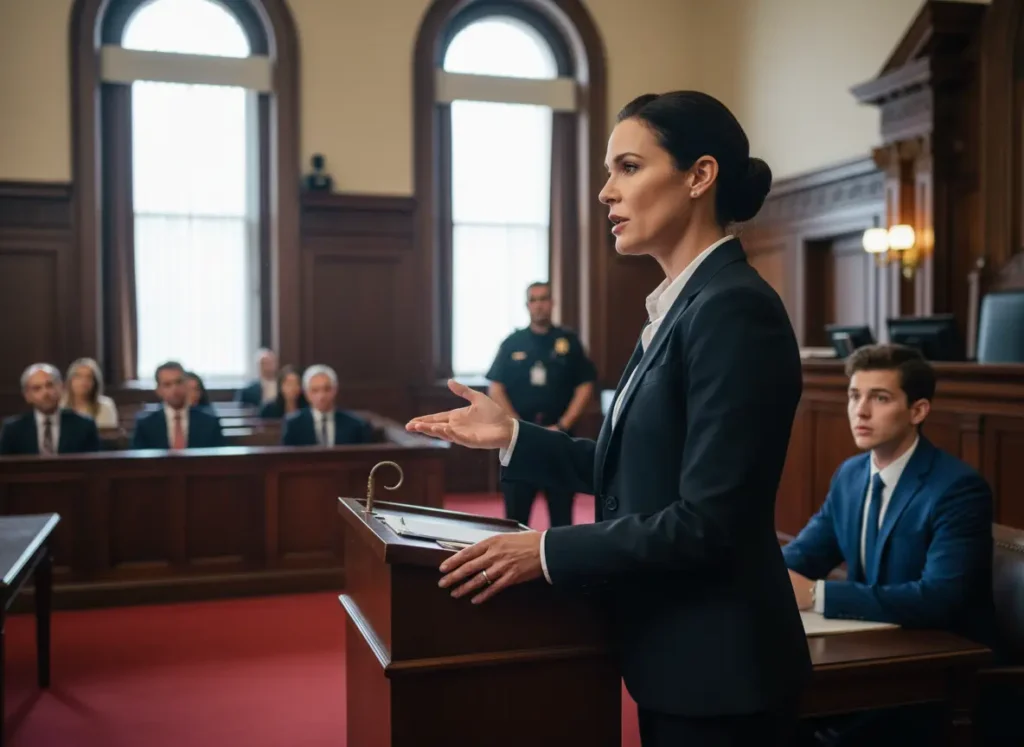
What It Really Means When Criminal Charges Are Dropped
When charges are dropped, the case ends without a conviction. This can happen in two main ways:
- The prosecutor dismisses the case.
- The judge grants a motion to dismiss filed by the defense.
A dismissal can occur early in the process or later, after evidence has been reviewed. Once dismissed, the prosecution cannot move forward unless charges are refiled under specific circumstances.
How a Criminal Defense Attorney Builds a Case for Dismissal
An experienced attorney looks for leverage. That leverage often comes from problems in the government’s case.
Weak Evidence: When the Case Cannot Hold Up in Court
Prosecutors must prove guilt beyond a reasonable doubt. If evidence is weak, inconsistent, or missing, your attorney can challenge whether the case should move forward at all.
Examples include:
- No reliable witnesses
- No physical evidence
- Conflicting police reports
- Missing surveillance footage
If the state cannot meet its burden, dismissal becomes possible.
Illegal Search and Seizure: When Evidence Gets Thrown Out
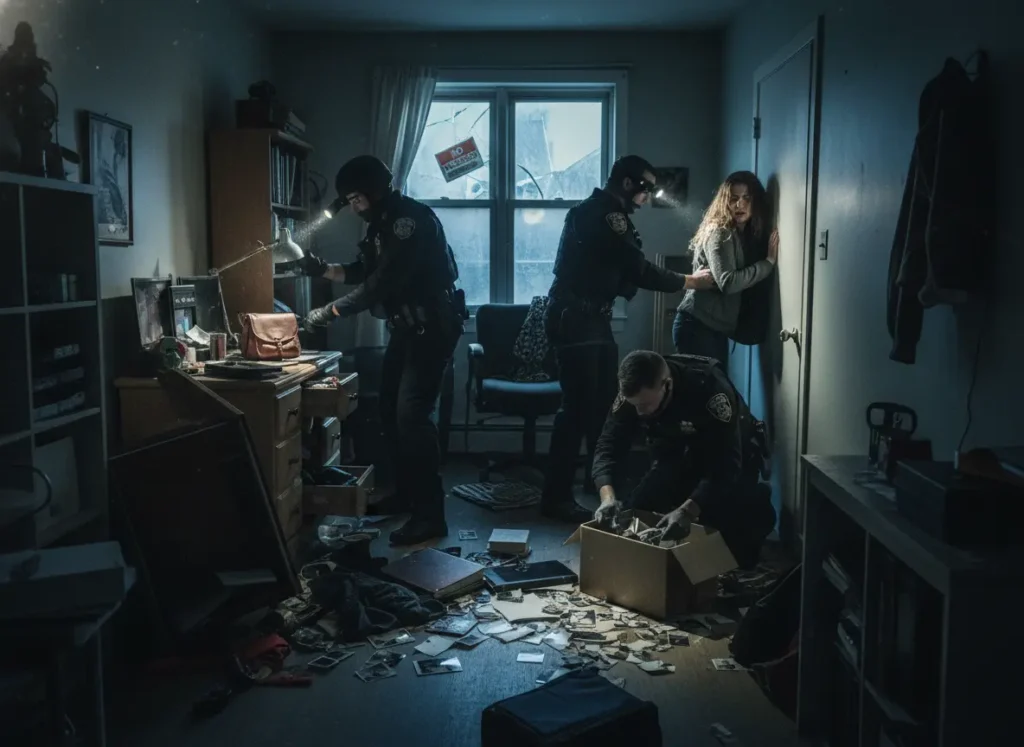
The Fourth Amendment protects you from unlawful searches and seizures. If police violated your rights by searching without a warrant or probable cause, the evidence they collected may be suppressed.
If key evidence is thrown out, the prosecution may have no case left. That often leads to dismissal.
Constitutional Violations: When Your Rights Were Ignored
If law enforcement ignored your right to remain silent or failed to provide proper warnings under Miranda v. Arizona, your statements may be excluded.
When critical statements are suppressed, the case can collapse.
Procedural Errors: When the Case Falls Apart on Technical Grounds
Criminal cases must follow strict rules. Mistakes can include:
- Filing errors
- Failure to meet deadlines
- Improper charging documents
- Loss of evidence
If the prosecution fails to follow procedure, your attorney can file a motion to dismiss.
Lack of Probable Cause: Challenging the Basis of the Arrest
Before charges are filed, the state must show probable cause. If your attorney demonstrates that police lacked probable cause for arrest, a judge may dismiss the charges.
Negotiation Strategy: When Dismissal Happens Outside the Courtroom
Not all dismissals happen in court. Sometimes an attorney negotiates directly with the prosecutor.
This can result in:
- Charges reduced to a lesser offense
- Diversion programs
- Deferred prosecution agreements
- Full dismissal after certain conditions are met
Strong negotiation often depends on preparation and timing.
When Charges Are Unlikely to Be Dropped
Charges are harder to dismiss when:
- There is clear video evidence
- There are multiple credible witnesses
- The defendant has prior similar offenses
- Evidence was legally obtained
In these cases, the focus may shift to reducing penalties instead of seeking dismissal.
Why Acting Early Gives You More Legal Options
The earlier a criminal defense attorney steps in, the more options you have.
Early intervention can:
- Preserve surveillance footage before it is deleted
- Identify witness inconsistencies
- Prevent damaging statements
- Influence charging decisions
Once a case gains momentum, it becomes harder to unwind.
Do Dropped Charges Stay on Your Record
Even if charges are dropped, the arrest may still appear in public records. In some cases, you may qualify for expungement or sealing.
A criminal defense attorney can advise you on cleaning up your record after dismissal.
Bottom Line: Charges Get Dropped Through Strategy, Not Luck
Yes, a criminal defense attorney can get charges dropped. But dismissal depends on legal strategy, evidence review, constitutional protections, and timing.
Not every case qualifies for dismissal. However, every case deserves a strong defense built on facts, law, and procedural accuracy.
If you are facing criminal charges, the right legal guidance can determine whether your case moves forward or ends before trial.
Frequently Asked Questions
Can a criminal defense attorney really get charges dropped?
Yes, in some cases. Charges may be dismissed if there is weak evidence, constitutional violations, procedural errors, or successful negotiation with the prosecutor.
How long does it take for charges to be dropped?
It depends on the case. Some dismissals happen early after review of evidence. Others occur later after motions are filed or negotiations take place.
What is the difference between dismissed charges and reduced charges?
Dismissed charges are terminated without conviction. Reduced charges involve pleading to a lesser offense instead of the original charge.