
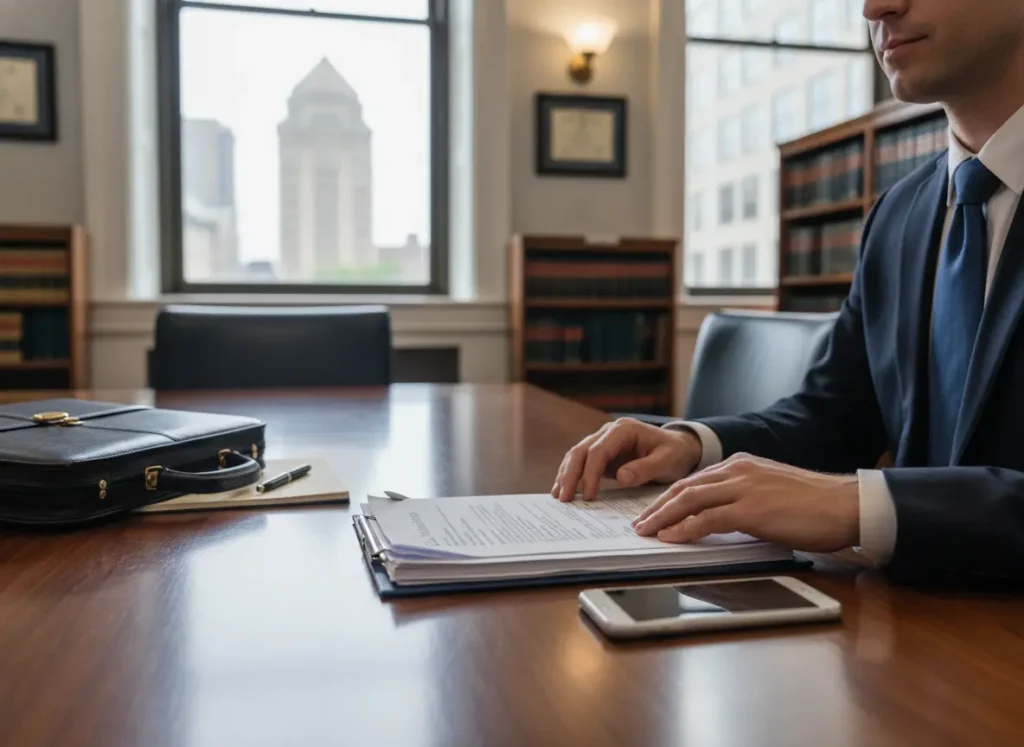
- What Criminal Defense Lawyers Review First After an Arrest in Springfield
- The Most Important Steps To Take in the First 24 Hours After an Arrest
- What Happens If You Miss Court After an Arrest in Illinois?
- Common Mistakes People Make After Being Arrested in Illinois
- Arrested in Springfield, IL?
- Related Springfield Arrest and Criminal Defense Resources
- Frequently Asked Questions After an Arrest in Springfield, Illinois
- What should I do in the first 24 hours after being arrested in Springfield?
- Should I talk to police after I have been arrested?
- What release paperwork should I check after an arrest?
- Can I contact the alleged victim after being arrested?
- What evidence should I preserve after an arrest?
- What happens if I miss court after an arrest in Illinois?
- Does Illinois still use cash bail after an arrest?
An arrest in Springfield or Sangamon County creates immediate pressure.
You may feel embarrassed, angry, scared, or confused. You may want to explain what happened. You may want to contact the other person involved. You may want to ask friends what to do. You may want to ignore the paperwork because everything feels overwhelming.
Do not rush.
The first 24 hours after an arrest are not about solving the whole case. They are about protecting your position before the case moves forward.
If you were arrested in Springfield, Sangamon County, or Central Illinois, the safest move is to speak with a criminal defense attorney in Springfield, Illinois before making decisions alone.
Quick Answer
If you were arrested in Springfield, IL, use the first 24 hours to avoid creating new problems. Do not discuss the allegations with police or people involved in the case, read your release paperwork, confirm your court date, follow every court-ordered condition, preserve relevant evidence, avoid posting about the arrest, and keep copies of all documents you received.
If you want to understand the full local court process, read our guide on how Sangamon County Circuit Court handles criminal cases.
What Criminal Defense Lawyers Review First After an Arrest in Springfield
Early review after an arrest may focus on:
- The exact charge or allegation
- Arrest and release paperwork
- Upcoming court dates
- Pretrial release conditions
- Police reports and available recordings
- Statements made during the investigation
- Searches of a person, vehicle, phone, or home
- Evidence that should be preserved
- Whether the State may seek pretrial detention
The goal at this stage is not to predict the final outcome. It is to understand the immediate legal situation and avoid preventable mistakes before the first court proceedings.
The Most Important Steps To Take in the First 24 Hours After an Arrest
Use this checklist before your first court date, before speaking with police again, and before making any decision about the case.
- Do not discuss the allegations. Avoid giving explanations to police or discussing the facts with witnesses, alleged victims, coworkers, friends, or online.
- Read your release paperwork. Check the court date, courtroom, no-contact terms, travel restrictions, monitoring requirements, weapon restrictions, and other conditions.
- Do not contact anyone you are prohibited from contacting. If a no-contact condition exists, follow it exactly.
- Preserve relevant evidence. Save messages, photographs, videos, receipts, location records, work schedules, medical records, and witness information.
- Write a factual private timeline. Record what happened while your memory is fresh, but do not post or circulate it.
- Do not delete digital material. Preserve existing messages, posts, photographs, and accounts that may relate to the case.
- Confirm your court date. Use the paperwork you received and set reminders.
- Follow every release condition. A new alleged violation can complicate the existing case.
- Keep every document. Save citations, complaints, release orders, property receipts, tow records, and court notices.
For additional mistakes that can create problems after release, review mistakes to avoid after being arrested in Illinois.
What Happens If You Miss Court After an Arrest in Illinois?
Missing a required court appearance can lead to additional court action and, in qualifying circumstances, a warrant.
Check the date on your release paperwork and court notice carefully. If you discover that you already missed court, confirm the case status before assuming the matter will automatically be rescheduled.
For what happens after these immediate first-day steps, review how Sangamon County criminal cases move through court.
Common Mistakes People Make After Being Arrested in Illinois
Avoid:
- Discussing the allegations with police without legal advice
- Contacting an alleged victim contrary to a court order
- Coordinating statements with witnesses
- Posting about the case
- Deleting potentially relevant messages or files
- Ignoring release conditions
- Missing court
- Losing arrest or release paperwork
- Accepting a plea before understanding the charge and consequences
If your release order includes custody or detention issues, review how Illinois pretrial release and detention work.
Arrested in Springfield, IL?
The first 24 hours after an arrest are often focused on release conditions, court dates, preserving evidence, and avoiding statements or contact that may complicate the case. Andrew Affrunti can review your arrest paperwork, upcoming court proceedings, and immediate defense issues in Springfield and Sangamon County.
Schedule a Confidential ConsultationCall 217-528-2183
Related Springfield Arrest and Criminal Defense Resources
- Mistakes to Avoid After Being Arrested in Illinois
- First Arrest in Illinois? What To Do Next
- Illinois Pretrial Release Law Explained
- What Happens After You Are Charged With a Crime in Illinois?
Frequently Asked Questions After an Arrest in Springfield, Illinois
What should I do in the first 24 hours after being arrested in Springfield?
Review your release paperwork, confirm your court date, follow all court-ordered conditions, preserve potentially relevant evidence, avoid discussing the allegations, and keep copies of every document you received.
Should I talk to police after I have been arrested?
You generally do not need to volunteer an explanation about the allegations. If police seek further questioning, you may state that you do not want to answer questions and want legal counsel.
What release paperwork should I check after an arrest?
Check the next court date, courthouse and courtroom information, no-contact provisions, travel restrictions, monitoring requirements, weapon restrictions, check-in requirements, and other deadlines or conditions.
Can I contact the alleged victim after being arrested?
Do not contact someone when a court order or release condition prohibits contact. Even when no formal restriction exists, communications about the allegations may later become evidence.
What evidence should I preserve after an arrest?
Preserve relevant texts, call logs, photographs, videos, receipts, location information, work schedules, medical records, witness information, and possible surveillance footage. Do not delete or alter potentially relevant evidence.
What happens if I miss court after an arrest in Illinois?
A missed required appearance can lead to additional court action and, in qualifying circumstances, a warrant. Confirm the current case status promptly if you discover that you missed a hearing.
Does Illinois still use cash bail after an arrest?
Illinois no longer uses cash bail as the condition determining pretrial release in new criminal cases. Depending on the case, a person may be released with appropriate conditions or detained when Illinois law authorizes detention and the required findings are made.