
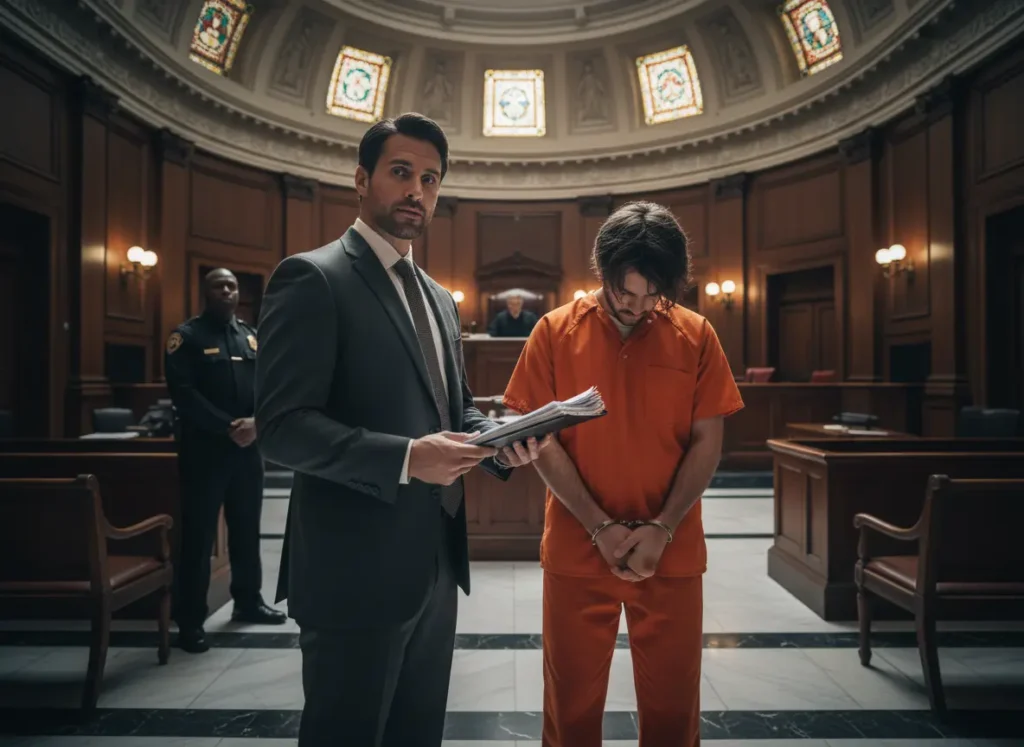
A criminal case is not one moment in court. It is a chain of decisions. Each decision either protects you or quietly makes things worse.
A criminal defense attorney’s real job is not reactive. It is preventative, strategic, and continuous. Here is what actually happens at every stage of a criminal case, and why each phase matters.
What Happens at Every Stage If You Do Not Have a Criminal Defense Attorney?
At each phase, small decisions get made that either protect you or quietly damage your case. Without guidance, mistakes compound, leverage shrinks, and the prosecution’s version of events gains strength while your defense falls behind.
The Full Timeline of a Criminal Case From First Contact to Final Outcome
While procedures follow general legal principles, criminal cases in Illinois and Sangamon County courts follow specific timelines and procedural rules that affect how quickly charges are filed, how bond is set, and how pretrial hearings are scheduled.
Typical progression:
- investigation or police contact
- arrest and booking
- bond or release decision
- arraignment and formal charges
- evidence review and investigation
- pretrial motions
- negotiation or resolution discussions
- trial preparation
- trial (if necessary)
- sentencing
- post-conviction review or appeal
Some stages move quickly. Others take months. Each step creates risks and opportunities that affect the final outcome.
Knowing where your case stands helps you understand what decisions matter most right now.
The Most Critical Stage Happens Before Charges Exist
This is the most overlooked stage, and often the most powerful.
Before formal charges exist, law enforcement is building a version of events. Interviews, reports, search requests, and informal conversations all shape that version.
A criminal defense attorney:
- Intervenes when police make contact
- Advises you on when to speak and when to stay silent
- Prevents consent to unlawful searches
- Begins identifying legal weaknesses early
- Communicates with investigators to control exposure
Cases are often won or lost here. Once statements are made or evidence is collected without challenge, damage becomes harder to undo.
Example.
Police investigate a reported retail theft and request a voluntary interview. The person contacts a defense attorney before meeting investigators. The attorney attends the interview and limits questioning. A request to search personal property gets denied without a warrant. Defense review of store video reveals a timeline conflict. Investigators lose probable cause. The prosecutor declines to file charges. Early intervention stopped the case before formal prosecution.
Arrest Sets the Legal Battlefield
An arrest is procedural, not proof. But mistakes here follow the case.
Your attorney:
- Explains your rights in plain terms
- Reviews whether the arrest met legal standards
- Identifies violations during the stop or detention
- Begins preserving evidence immediately
Small errors during arrest often become leverage later. Only if someone is watching closely.
Bond and Pretrial Release
Freedom changes everything.
A criminal defense attorney:
- Argues for release or reduced bond
- Pushes back against excessive conditions
- Prevents unnecessary travel or contact restrictions
- Protects your ability to work and support your family
Pretrial detention increases pressure to plead guilty, even in weak cases. Release preserves decision-making power.
Protecting You From Self-Inflicted Legal Damage
Many criminal cases weaken because defendants act without guidance. Social media posts, casual conversations, or independent actions create problems that cannot be reversed.
A defense attorney prevents avoidable mistakes.
Your lawyer helps you:
• Avoid discussing the case publicly or privately
Statements do not become evidence.
• Follow release conditions correctly
No accidental violations that trigger detention.
• Handle law enforcement contact properly
No unsupervised communication.
• Make decisions that support long-term strategy
Every action aligns with defense goals.
Legal exposure often grows from preventable errors.
Guided conduct protects your position throughout the case.
Arraignment and Formal Charges
This is where accusations become official.
Your lawyer:
- Reviews charging documents for errors or overreach
- Advises on plea options and timing
- Sets expectations for the court early
- Positions the case for negotiation
Nothing here is routine. Even a simple plea entry can shape how the court views your case moving forward.
Discovery and Independent Investigation
This phase determines whether the prosecution’s case holds up.
A criminal defense attorney:
- Reviews police reports line by line
- Examines body camera footage and surveillance
- Tests timelines for inconsistencies
- Interviews witnesses while memories are fresh
- Uses investigators or experts when needed
Strong cases survive scrutiny. Weak cases collapse quietly.
Pretrial Motions and Case Strategy
This is where pressure shifts.
Your attorney:
- Files motions to suppress illegally obtained evidence
- Challenges improper searches or interrogations
- Seeks dismissal of unsupported charges
- Forces prosecutors to defend their evidence
Many cases resolve here. Not because of deals, but because the evidence does not hold up.
Negotiation and Resolution Options
Negotiation is strategy, not compromise.
A criminal defense attorney:
- Uses weaknesses to push charge reductions
- Pursues diversion or alternative sentencing
- Protects against unnecessary convictions
- Aligns outcomes with long-term consequences
The goal is not speed. The goal is protection.
Trial Preparation
Even cases that settle prepare for trial.
Your lawyer:
- Builds a clear defense narrative
- Prepares cross-examination of every witness
- Anticipates prosecution tactics
- Identifies jury risks and themes
Trial readiness creates leverage. Unprepared cases lose it.
Trial
Trial exposes everything.
A criminal defense attorney:
- Selects jurors carefully
- Challenges credibility and assumptions
- Controls evidence presentation
- Protects your rights in real time
- Tells your side clearly and lawfully
Trials reward preparation. They punish shortcuts.
Verdict and Sentencing
A verdict is not the end of advocacy.
Your attorney:
- Argues for fair sentencing outcomes
- Presents mitigating factors
- Challenges improper sentencing considerations
- Works to protect your record where possible
Sentencing decisions shape years, not weeks.
Protecting Your Future After Judgment
Some cases continue beyond judgment.
A criminal defense attorney:
- Reviews trial errors
- Files appeals when appropriate
- Seeks sentence modification
- Advises on record relief and compliance
Long-term consequences require long-term thinking.
Final Takeaway
A criminal defense attorney does more than appear in court.
They intervene before mistakes happen.
They challenge the case before it hardens.
They protect leverage when pressure is highest.
Criminal cases are decided through timing and strategy, not last-minute arguments.
Early action preserves options. Delay removes them.
Defense is not reaction. It is control.
Frequently Asked Questions
What does a criminal defense attorney actually do?
A criminal defense attorney protects your rights at every stage of a case, from investigation through sentencing and possible appeal. Their role includes challenging evidence, filing motions, negotiating resolutions, and preparing for trial when necessary.
When should I hire a criminal defense attorney?
You should hire a defense attorney as soon as law enforcement contacts you or you believe you are under investigation. Early involvement protects leverage and prevents avoidable mistakes.
Is the investigation stage really that important?
Yes. Many cases are shaped before formal charges are filed. Statements, searches, and reports created during this stage often define the prosecution’s theory.