

- Quick Answer
- What Knives Are Illegal to Carry in Illinois?
- Knife Type and Legal Risk in Illinois
- What Makes a Knife Legal or Illegal in Illinois?
- When Knife Possession Becomes a Criminal Charge
- Which Knives Are Legal To Carry in Illinois?
- Why FOID Status Matters in an Illinois Switchblade Case
- Why Ballistic Knives Are Illegal in Illinois
- Knife Charges for Carrying on School Property in Illinois
- Locations Where Knife Carry May Be Restricted in Illinois
- What If Police Find a Knife in Your Vehicle?
- Penalties for Illegal Knife Possession and UUW Charges in Illinois
- What To Do After a Knife Arrest in Sangamon County
- Preparing for a Knife Charge in Springfield or Sangamon County
- Defense Issues in Illinois Knife Cases
- Evidence That May Matter in an Illinois Knife Case
- Charged With a Knife or Weapons Offense in Illinois?
- Common Questions About Illinois Knife Laws
- Are pocket knives legal in Illinois?
- Does Illinois have a statewide knife blade-length limit?
- Are switchblades legal in Illinois?
- Are ballistic knives legal in Illinois?
- Can carrying an ordinary knife become a criminal offense?
- Can I be charged if police find a knife in my car?
- Can knife evidence be suppressed after an illegal search?
- Are butterfly knives legal in Illinois?
- Can local Illinois cities have stricter knife laws?
- Does having a FOID card make every knife legal in Illinois?
Quick Answer
Illinois does not use one statewide blade-length limit for ordinary pocket, folding, hunting, work, or utility knives. Ballistic knives are specifically prohibited. Switchblades are regulated, but Illinois law provides an exception for a person with a currently valid FOID card. Other knives may create criminal exposure when prosecutors allege unlawful intent, possession in a restricted location, or a violation of a local ordinance.
Illinois knife law does not use one simple rule for every knife. Legality can depend on the type of knife, whether a statutory exception applies, the person’s alleged intent, the location, and any applicable local ordinance.
This guide explains how Illinois currently treats ordinary knives, switchblades, ballistic knives, dangerous knives, and knife-related weapons charges.
What Knives Are Illegal to Carry in Illinois?
Illinois does not classify every knife as legal or illegal based only on blade length.
Important categories include:
- Ballistic knives: specifically prohibited under Section 24-1(a)(1).
- Switchblades and automatic knives: regulated under Section 24-1(a)(1), with a statutory exception for a person who possesses a currently valid Illinois FOID card.
- Daggers, dirks, dangerous knives, razors, and stilettos: may result in a weapons charge under Section 24-1(a)(2) when carried or possessed with intent to use them unlawfully against another.
- Ordinary pocket, folding, hunting, work, and utility knives: not generally prohibited merely because of blade length under Section 24-1, although intent, location, another statute, or local law may still matter.
The exact subsection on the charging document should be identified before describing a knife as categorically illegal.
Knife Type and Legal Risk in Illinois
| Knife Type | General Illinois Rule | Important Issue |
|---|---|---|
| Pocket or folding knife | Not generally prohibited under state law merely because of blade length. | Intent, location, local ordinance, and surrounding circumstances. |
| Work, utility, or hunting knife | Ordinary lawful possession is not categorically prohibited. | Purpose, manner of carrying, location, and alleged unlawful intent. |
| Switchblade or automatic knife | Regulated under Section 24-1(a)(1). | Whether the person had a currently valid FOID card or another statutory exception applied. |
| Ballistic knife | Specifically prohibited. | Whether the seized item actually meets the statutory definition. |
| Dagger, dirk, stiletto, or dangerous knife | Can be unlawful when carried or possessed with intent to use it unlawfully against another. | Statements, conduct, circumstances, and proof of intent. |
| Knife found in a vehicle | Legality depends on the knife and surrounding facts. | Knowledge, possession, location in the vehicle, search legality, and local rules. |
What Makes a Knife Legal or Illegal in Illinois?
Illinois knife law does not depend on blade length alone. The type of knife, FOID status when a switchblade is involved, alleged intent, location, local ordinances, and how the knife was possessed may all affect whether criminal charges are possible.
Ordinary pocket, folding, hunting, work, and utility knives are not generally prohibited under state law merely because of size, while ballistic knives are specifically prohibited and other knife categories may become unlawful under particular circumstances.
When Knife Possession Becomes a Criminal Charge
Knife possession may lead to a criminal charge when:
- The particular knife is specifically prohibited
- A switchblade allegation does not fall within the statutory FOID exception
- Prosecutors allege a qualifying dangerous knife was possessed with intent to use it unlawfully against another
- A location-based weapons provision applies
- Another criminal offense is alleged
- A valid local ordinance prohibits the conduct
Section 24-1(a)(1) and Section 24-1(a)(2) should not be treated as interchangeable. Subsection (a)(1) specifically addresses switchblades and ballistic knives, while subsection (a)(2) contains an unlawful-intent requirement for certain dangerous knives and similar weapons.
For related prohibited-weapon allegations, review Illinois weapons charges and what may be illegal to carry or possess.
Which Knives Are Legal To Carry in Illinois?
At the state level, the following are generally legal to own and carry by adults:
Are Folding Knives Legal in Illinois?

Ordinary folding and pocket knives are not generally prohibited under Illinois state law merely because of blade length.
Fixed-blade, hunting, kitchen, work, and utility knives are likewise not subject to a general statewide blade-length ban simply because of their size.
That does not mean every manner of carrying every knife is lawful. Intent, location, another criminal statute, or a local ordinance may still matter.
Are Switchblades and Automatic Knives Legal in Illinois?
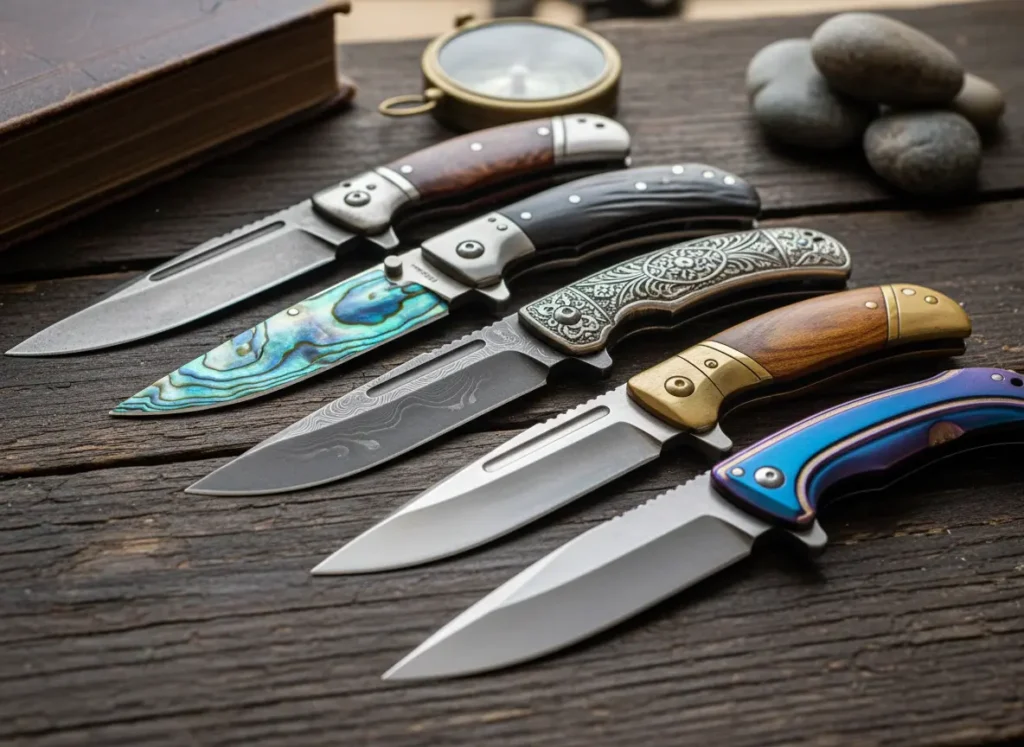
Illinois continues to regulate switchblade knives under Section 24-1(a)(1).
However, the statute provides that the switchblade prohibition does not apply to a person who possesses a currently valid Firearm Owner’s Identification Card issued in that person’s name. A qualifying seller or manufacturer also falls within a statutory exception.
Therefore, switchblades should not be described as universally legal or universally prohibited for every Illinois adult.
Why FOID Status Matters in an Illinois Switchblade Case
When a charge involves a switchblade or automatic knife, current FOID status may be an important part of the case because Illinois law provides a statutory exception for a person who possesses a currently valid FOID card issued in that person’s name. The exact knife classification and subsection charged should still be reviewed before determining whether possession was unlawful.
Are Butterfly Knives Legal in Illinois?
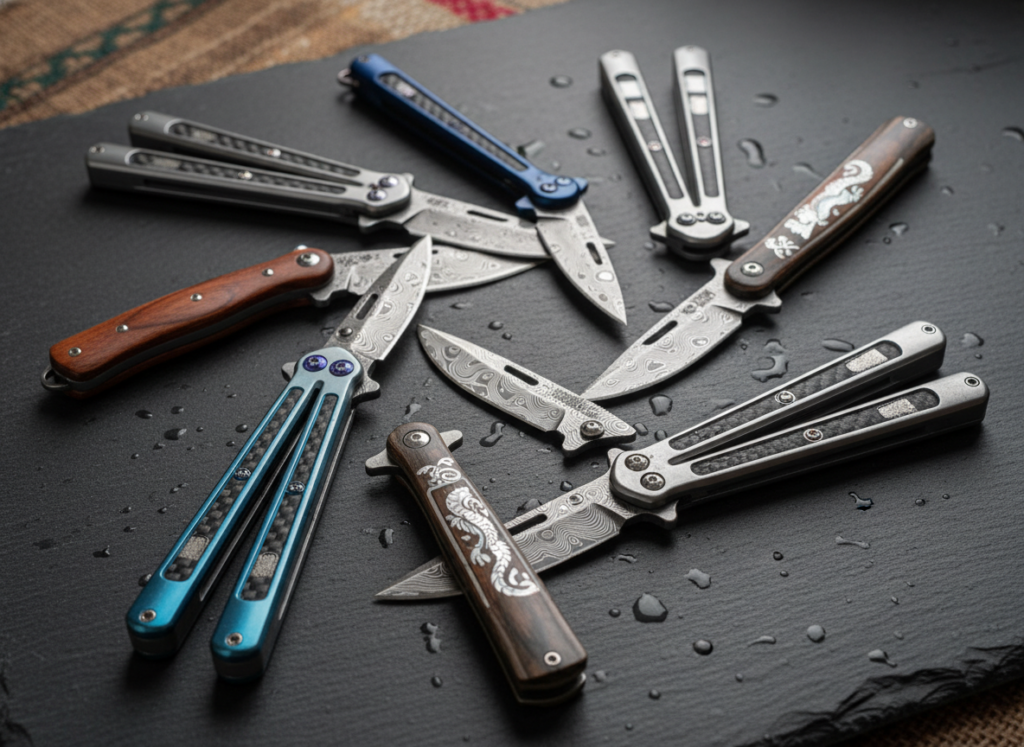
Butterfly or balisong knives are not specifically named in Section 24-1’s switchblade or ballistic-knife prohibition.
Their legality can still depend on unlawful intent, location, another applicable weapons provision, or a local ordinance.
Why Ballistic Knives Are Illegal in Illinois
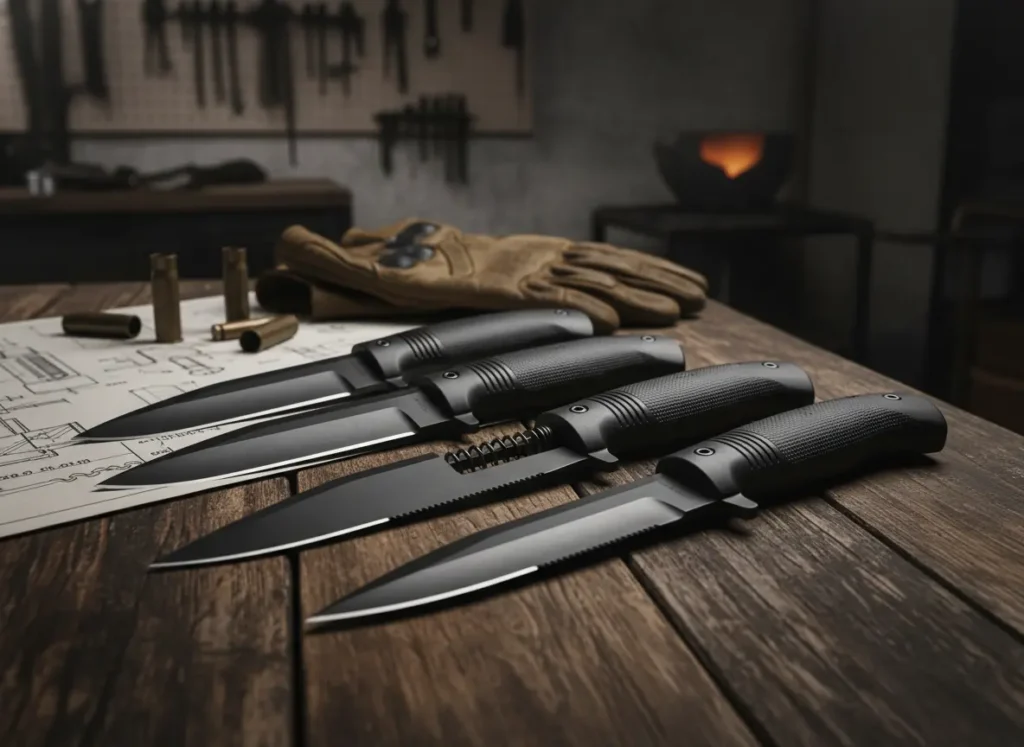
Ballistic knives are specifically prohibited under Section 24-1(a)(1).
Illinois defines a ballistic knife as a device that propels a knifelike blade as a projectile using a coil spring, elastic material, or compressed gas.
Unlike the switchblade provision, the statute does not provide the same valid-FOID exception for ballistic knives.
A defense may still examine whether the seized item actually satisfies the statutory definition.
Knife Charges for Carrying on School Property in Illinois
Knife allegations involving school property require review of the exact weapon, conduct, location, and subsection charged.
Illinois weapons law contains enhanced provisions involving certain weapons and specified locations, including qualifying school property.
Do not assume every knife found near or on school property automatically creates the same felony charge. The State must establish the statutory elements and location provision actually alleged.
Locations Where Knife Carry May Be Restricted in Illinois
Knife restrictions may depend on state law, the particular weapon, the person’s alleged intent, and the location.
Locations that deserve special review include:
- Schools and school-related property
- Courthouses and secured government facilities
- Public transportation property where separate restrictions apply
- Municipalities with additional weapon ordinances
- Private property where the owner lawfully restricts possession
Illinois state law should not be treated as the only possible source of regulation. Municipal ordinances may impose additional restrictions, so the local code in effect where the alleged possession occurred should be checked before concluding that a knife was legal or illegal.
For a Springfield case, review the current City of Springfield code together with the applicable Illinois statute rather than assuming another municipality’s rules apply.
What If Police Find a Knife in Your Vehicle?
A knife found in a vehicle does not automatically establish an Illinois weapons offense. The type of knife, where it was located, whether the person knew it was present, who controlled the vehicle, alleged unlawful intent, and any applicable local ordinance may all matter.
The legality of the traffic stop and vehicle search may also become important. If police obtained the knife through an unlawful search or seizure, the defense may examine whether a suppression motion is appropriate.
Penalties for Illegal Knife Possession and UUW Charges in Illinois
There is no single Illinois penalty for every knife-related weapons charge.
The classification depends on the exact subsection and facts alleged.
Important variables may include:
- The type of knife
- Whether a statutory exception applies
- Whether unlawful intent is an element
- The alleged location
- Other conduct charged in the case
- Prior convictions when legally relevant
The sentencing provision should be identified from the exact charge rather than assuming all unlawful knife possession is a misdemeanor or all knife cases are felonies.
What To Do After a Knife Arrest in Sangamon County
After a knife-related arrest or citation:
- Keep the citation, charging document, release paperwork, and court notices.
- Identify the exact statute and subsection charged.
- Record where police say the knife was found.
- Preserve photographs of the knife and opening mechanism.
- Preserve current FOID information if a switchblade allegation is involved.
- Preserve relevant video or witness information.
- Avoid guessing about ownership, intent, or why the knife was present.
Preparing for a Knife Charge in Springfield or Sangamon County
If a knife charge begins in Springfield or Sangamon County, identify the exact statute and subsection, preserve the charging paperwork, document where police say the knife was found, and keep photographs or information showing the knife’s design and opening mechanism. FOID status, search issues, alleged intent, and local ordinances may all affect the defense.
Defense Issues in Illinois Knife Cases
The available defense depends on the exact subsection and evidence.
Knife Classification
The defense may examine whether the item actually falls within the knife category identified in the charging statute.
Unlawful Intent
When prosecutors rely on Section 24-1(a)(2), they must address the statutory requirement involving intent to use the qualifying weapon unlawfully against another person.
Switchblade FOID Exception
When the allegation involves a switchblade, current FOID status can be significant because Illinois law provides a specific exception for a person with a currently valid FOID card.
Knowing Possession
When a knife is found in a shared vehicle, residence, bag, or other location accessible to multiple people, the evidence connecting a particular defendant to possession may require closer review.
Illegal Search or Seizure
A knife discovered during an unlawful vehicle search, home search, detention, or warrant execution may be subject to a suppression challenge.
Suppression is not automatic. The court must determine whether the search or seizure violated applicable constitutional or statutory requirements and whether exclusion is the appropriate remedy.
Local Ordinance
If prosecutors or municipal authorities rely on a local ordinance, the defense should verify the exact ordinance in effect on the date and at the location of the alleged violation.
A successful challenge to one issue does not automatically guarantee dismissal. The effect depends on the remaining admissible evidence and charge. If the knife was discovered during a home or property search, review how Illinois search warrants work and when seized evidence may be challenged.
Evidence That May Matter in an Illinois Knife Case
Important evidence may include photographs of the knife, records showing how the knife opens or functions, current FOID information, body-camera footage, vehicle or property search records, witness statements, and evidence showing who actually possessed or controlled the location where the knife was found.
Statements about ownership, intent, or why the knife was present may also affect the case. The defense should review the evidence together with the exact weapons statute or local ordinance identified in the charging document.
Charged With a Knife or Weapons Offense in Illinois?
A knife charge may depend on the type of knife, the exact subsection charged, whether a FOID exception applies, alleged unlawful intent, where the knife was found, local ordinances, and whether police lawfully obtained the evidence. Reviewing those facts early can help identify possible defenses and clarify which Illinois weapons rule actually applies.
Schedule a Confidential ConsultationCommon Questions About Illinois Knife Laws
Are pocket knives legal in Illinois?
Ordinary pocket and folding knives are not generally prohibited under Illinois state law merely because of blade length. Intent, location, another applicable statute, and local ordinances may still affect whether carrying a knife is lawful.
Does Illinois have a statewide knife blade-length limit?
Section 24-1 does not establish a general statewide blade-length cutoff for ordinary knives. Local ordinances and location-specific restrictions may still apply.
Are switchblades legal in Illinois?
Illinois regulates switchblades under 720 ILCS 5/24-1(a)(1), but the prohibition does not apply to a person who possesses a currently valid Illinois FOID card issued in that person’s name.
Are ballistic knives legal in Illinois?
No. Ballistic knives are specifically prohibited under Section 24-1(a)(1). The switchblade FOID exception does not apply to ballistic knives in the same way.
Can carrying an ordinary knife become a criminal offense?
Yes. Certain dangerous knives can lead to charges when carried or possessed with intent to use them unlawfully against another person. Other statutes, restricted locations, or local ordinances may also apply.
Can I be charged if police find a knife in my car?
Potentially. The case can depend on the type of knife, alleged intent, who knew the knife was present, where it was located, local law, and whether the vehicle search was lawful.
Can knife evidence be suppressed after an illegal search?
Potentially. A defendant may ask the court to suppress evidence obtained through an unlawful search or seizure. Whether the evidence is excluded and how that affects the charge depend on the facts and the court’s ruling.
Are butterfly knives legal in Illinois?
Butterfly or balisong knives are not specifically named in the Illinois switchblade or ballistic-knife prohibition. However, alleged unlawful intent, restricted locations, other weapons provisions, and local ordinances may still affect whether carrying one is lawful.
Can local Illinois cities have stricter knife laws?
Yes. Municipal ordinances may impose additional restrictions beyond state law. The local ordinance in effect where the alleged possession occurred should be reviewed before assuming a knife is legal to carry.
Does having a FOID card make every knife legal in Illinois?
No. A valid FOID card may be important to the statutory switchblade exception, but it does not make ballistic knives legal or override restrictions based on unlawful intent, prohibited locations, other statutes, or local ordinances.