

- Quick Answer
- What Happens After an Arrest in Springfield, Illinois
- What to Do in the First 24 Hours After an Arrest
- What To Do vs What To Avoid After an Arrest in Illinois
- Arrested in Springfield or Sangamon County?
- Why the First 24 to 48 Hours After an Arrest Matter Most
- Why Talking to Police Without a Lawyer Can Damage Your Defense
- Why Trying to “Cooperate” Often Hurts Criminal Cases
- The Risks of Consenting to Searches After an Arrest
- Why You Should Never Discuss Your Criminal Case With Others
- How Social Media Posts Can Be Used Against You in Court
- What Happens If You Violate Pretrial Release Conditions in Illinois
- Why Missing Court Dates Creates Serious Legal Consequences
- What Not to Say to Police After an Arrest
- Mistakes That Can Affect Pretrial Release
- Why Hiring a Criminal Defense Lawyer Early Matters
- The Long-Term Consequences Many People Overlook After an Arrest
- What to Do Instead After an Arrest
- The Most Important Steps to Take Immediately After an Arrest
- Frequently Asked Questions About Arrests and Criminal Charges in Illinois
- What mistakes should I avoid after an arrest in Illinois?
- Can talking to police hurt my criminal case?
- Why is remaining silent important after an arrest?
- Should I agree to police searches after an arrest?
- Can social media posts affect my criminal case?
- Can a lawyer help immediately after an arrest in Illinois?
- Can an arrest be dismissed before trial in Illinois?
- How soon should I contact a criminal defense lawyer after an arrest?
- What happens if I talk about my arrest on social media?
- What should I avoid doing after an arrest in Illinois?
- Can a lawyer help before my first court appearance?
- Can police use my statements after an arrest in Illinois?
Quick Answer
After an arrest in Illinois, the biggest mistakes to avoid are talking about your case, posting online, consenting to searches without understanding your rights, missing court dates, contacting protected people, or violating release conditions. The safest steps are to remain silent, preserve documents and evidence, follow court instructions, and contact a criminal defense attorney before making decisions.
What Happens After an Arrest in Springfield, Illinois
If you were arrested in Springfield, Illinois, your case moves through a specific local process. Springfield Police Department or the Sangamon County Sheriff’s Office handles the arrest and booking. Formal charges are reviewed and filed by the Sangamon County State’s Attorney’s office. Your first court appearance takes place at the Sangamon County Circuit Court, typically within 48 hours of arrest.
Under Illinois law, there is no cash bail. A judge decides whether you are detained or released on conditions at your first hearing. What you do and what you say between your arrest and that first hearing determines how much damage has already been done before your defense attorney can act.
After an arrest in Illinois, what you do next matters as much as the charge itself. The hours and days following an arrest are critical. Early mistakes can weaken a defense, limit options, and create problems that are hard to undo.
If this is your first arrest, understanding the next steps can help you avoid mistakes. Learn more about what happens after a first arrest in Springfield, Illinois .
What to Do in the First 24 Hours After an Arrest
The first 24 hours after an arrest matter. What you say, what you post, who you contact, and whether you follow court instructions can affect the direction of your case.
| Step | What to Do | Why It Matters |
|---|---|---|
| 1 | Do not discuss the facts of the case. | Statements can be used against you later. |
| 2 | Save all paperwork from police or court. | Your attorney needs charge details, dates, and release conditions. |
| 3 | Do not post about the arrest online. | Social media posts can create evidence or damage your defense. |
| 4 | Follow all pretrial release conditions. | Violations can lead to stricter conditions or new problems. |
| 5 | Contact a criminal defense attorney early. | Early legal help can protect evidence, rights, and defense options. |
Knowing what not to do after an arrest and understanding what a lawyer does to protect your rights after an arrest in Illinois can preserve your defenses and reduce long-term consequences before your first court appearance.
What To Do vs What To Avoid After an Arrest in Illinois
| Do This | Avoid This |
|---|---|
| Ask for a lawyer | Explaining your side of the story to police |
| Save arrest and court documents | Throwing away paperwork |
| Follow release conditions | Missing court dates or ignoring restrictions |
| Preserve evidence and contacts | Posting about your case online |
| Stay silent about case facts | Discussing the case with others |
Arrested in Springfield or Sangamon County?
The decisions you make after an arrest can affect your defense, release conditions, and future options. Avoiding common mistakes early can help protect your rights and preserve possible defenses.
A criminal defense attorney can review your charges, explain your options, and help you understand what steps to take next.
Schedule a Confidential ConsultationWhy the First 24 to 48 Hours After an Arrest Matter Most
The hours and days after an arrest are when most damage occurs. Statements are recorded, conditions are imposed, and evidence is evaluated. Small mistakes during this period can weaken a defense and limit legal options.
Why Talking to Police Without a Lawyer Can Damage Your Defense
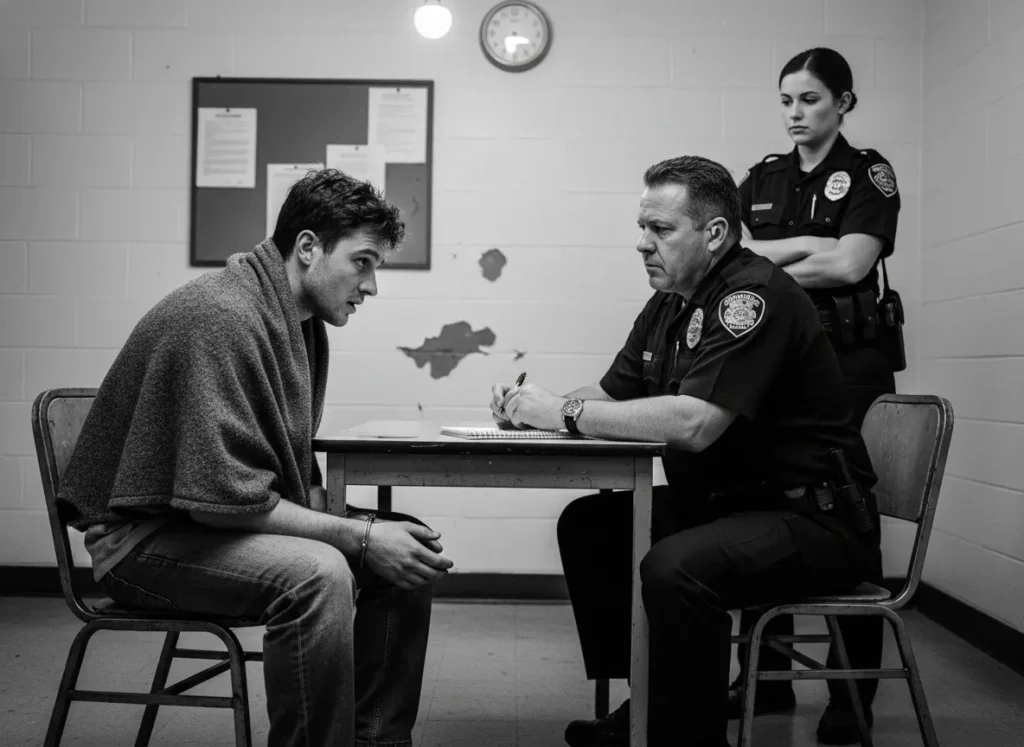
One of the most common mistakes is trying to explain yourself. Police questions are designed to gather evidence, not to clear up misunderstandings.
Avoid:
- Volunteering information
- Explaining what you think happened
- Answering questions without legal guidance
You have the right to remain silent. Using it cannot be held against you.
A criminal defense attorney in Springfield can help protect your rights, review police conduct, and advise you before making statements about your case.
Why Trying to “Cooperate” Often Hurts Criminal Cases
Many people believe cooperation leads to leniency or release. That is not how the system works. Being polite is fine. Giving details is risky.
Statements can be misunderstood, taken out of context, or used later in court. Silence protects you. Your lawyer speaks for you.
The Risks of Consenting to Searches After an Arrest
You are not required to consent to searches of your vehicle, home, phone, or personal property. Consent removes one of the strongest legal protections you have.
If a search is unlawful, evidence may be excluded. Consent eliminates that argument.
Why You Should Never Discuss Your Criminal Case With Others
Only conversations with your attorney are confidential. Everything else is fair game.
Do not discuss your case with:
- Friends or family
- Cellmates
- Coworkers
- Anyone over phone calls or messages
Calls from custody are recorded. Messages can be reviewed.
How Social Media Posts Can Be Used Against You in Court
Social media hurts more cases than people realize. Posts, comments, photos, and private messages are discoverable.
Avoid:
- Explaining your side online
- Venting frustration
- Making jokes or vague references
Online silence protects your defense.
What Happens If You Violate Pretrial Release Conditions in Illinois
Illinois does not use cash bail. After an arrest, you are either detained or released on conditions. Those conditions are mandatory and strictly enforced.
Common conditions include:
- No-contact orders
- Travel restrictions
- Curfews or monitoring
- Required court check-ins
Violating conditions can result in immediate detention and additional charges.
Why Missing Court Dates Creates Serious Legal Consequences
Court dates are not flexible. Missing one can lead to:
- Detention
- Additional charges
- Loss of release status
Mark every date. Follow every instruction. Small mistakes create serious consequences.
What Not to Say to Police After an Arrest
After an arrest, many people try to explain themselves. That can create problems. Even if you believe you are helping your case, your words can be misunderstood, taken out of context, or used to support the charge.
Avoid statements like:
- “I only had a small amount.”
- “I did not know that was illegal.”
- “Those drugs were not mine, but I knew they were there.”
- “I only drove because I had no choice.”
- “I will explain everything if you let me go.”
You have the right to remain silent. Use it. Ask to speak with an attorney before answering questions about the case.
Mistakes That Can Affect Pretrial Release
Illinois uses pretrial release instead of cash bail. That means the court can release a person with conditions or, in certain cases, order detention based on the law and the facts of the case.
Common mistakes that can affect pretrial release include:
- Missing a court date.
- Contacting a protected person or witness.
- Ignoring travel restrictions.
- Failing to follow testing or reporting requirements.
- Getting arrested for another offense while the case is pending.
If you are unsure about your release conditions, ask a lawyer before taking action. Guessing wrong can make your situation worse.
Why Hiring a Criminal Defense Lawyer Early Matters
Time matters after an arrest. Evidence disappears. Surveillance footage gets deleted. Witness memories fade.
Waiting can mean:
- Missed defense opportunities
- Lost leverage with prosecutors
- Fewer options for resolution
Early legal guidance changes outcomes.
A criminal defense attorney in Springfield can help review your charges, protect important evidence, and identify possible defenses before critical deadlines pass.
A criminal defense attorney in Springfield can review the charges, protect your rights, and identify possible defenses before important evidence or deadlines are missed.
An arrest does not mean guilt. Charges can be reduced. Evidence can be challenged. Rights violations matter.
Assuming the worst leads to bad decisions and unnecessary panic.
Early legal representation can help protect your rights and evaluate defense options. Learn more about hiring a criminal defense attorney in Springfield, Illinois .
The Long-Term Consequences Many People Overlook After an Arrest
Even minor charges can affect employment, housing, and professional licenses. Short-term decisions often carry long-term consequences.
Thinking beyond the moment protects your future.
What to Do Instead After an Arrest
Instead of reacting emotionally, focus on protecting your case. Keep your paperwork, write down what you remember, avoid discussing the case, and speak with a defense attorney before your first court appearance.
Helpful next steps include:
- Write down the date, time, and location of the arrest.
- Save police, jail, bond, release, and court documents.
- List possible witnesses.
- Preserve texts, photos, videos, and receipts that may help your defense.
- Do not contact alleged victims or witnesses if court conditions restrict contact.
- Do not post about the arrest on Facebook, Instagram, TikTok, or other platforms.
- Contact a criminal defense attorney before court deadlines arrive.
The earlier you get legal guidance, the easier it is to avoid mistakes that prosecutors may use later.
If your arrest involved a controlled substance, speak with a drug possession defense attorney in Springfield, IL.
before speaking with police or prosecutors. If you are facing a broader criminal charge, review your options with a criminal defense attorney in Springfield, IL.
The Most Important Steps to Take Immediately After an Arrest
The hours and days after an arrest are critical. Silence, patience, and legal guidance protect your rights and preserve your options. Many cases are won or lost based on what happens before the first court appearance.
If you have been arrested, avoid these mistakes and speak with a criminal defense lawyer as soon as possible. Early action makes a real difference.
Frequently Asked Questions About Arrests and Criminal Charges in Illinois
What mistakes should I avoid after an arrest in Illinois?
Remain silent and ask for a lawyer immediately. Do not answer questions or explain your side of the story to police. The first 24 to 48 hours after arrest are often the most important for protecting your rights.
Can talking to police hurt my criminal case?
Yes. Statements made without legal guidance are often misunderstood or used against you later in court. Even casual explanations can damage possible defenses.
Why is remaining silent important after an arrest?
Silence protects you from creating evidence prosecutors may later use. Police questioning is designed to gather information that strengthens the case against you. Exercising your rights helps preserve defense options.
Should I agree to police searches after an arrest?
No. Consenting to searches removes important constitutional protections. If a search is unlawful, your attorney may be able to challenge the evidence.
Can social media posts affect my criminal case?
Yes. Prosecutors can use posts, comments, photos, and messages as evidence. Even vague or joking statements can create problems later.
Can a lawyer help immediately after an arrest in Illinois?
Yes. A criminal defense lawyer can help protect your rights after an arrest by advising you on police contact, reviewing release conditions, preserving evidence, and identifying possible defenses before mistakes affect your case.
Can an arrest be dismissed before trial in Illinois?
Sometimes. An arrest does not automatically lead to a conviction. A lawyer may challenge evidence, identify constitutional violations, negotiate with prosecutors, or pursue dismissal depending on the facts of the case.
How soon should I contact a criminal defense lawyer after an arrest?
You should contact a criminal defense lawyer as soon as possible after an arrest. Early legal guidance can help protect evidence, explain release conditions, and prevent mistakes that may affect your defense.
What happens if I talk about my arrest on social media?
Social media posts, messages, photos, and comments may become evidence in a criminal case. Avoid posting about your arrest or discussing case details online.
What should I avoid doing after an arrest in Illinois?
Avoid discussing the facts of your case, posting about the arrest online, contacting witnesses, missing court dates, or violating release conditions. These actions may create additional problems.
Can a lawyer help before my first court appearance?
Yes. A criminal defense lawyer can review charges, explain release conditions, preserve evidence, and help protect your rights before important decisions are made.
Can police use my statements after an arrest in Illinois?
Yes. Statements made after an arrest may be used as evidence depending on the circumstances. Speaking with a lawyer before answering questions can help protect your rights.