Child Custody and Visitation Lawyer in Illinois
Protecting Your Child and Your Rights
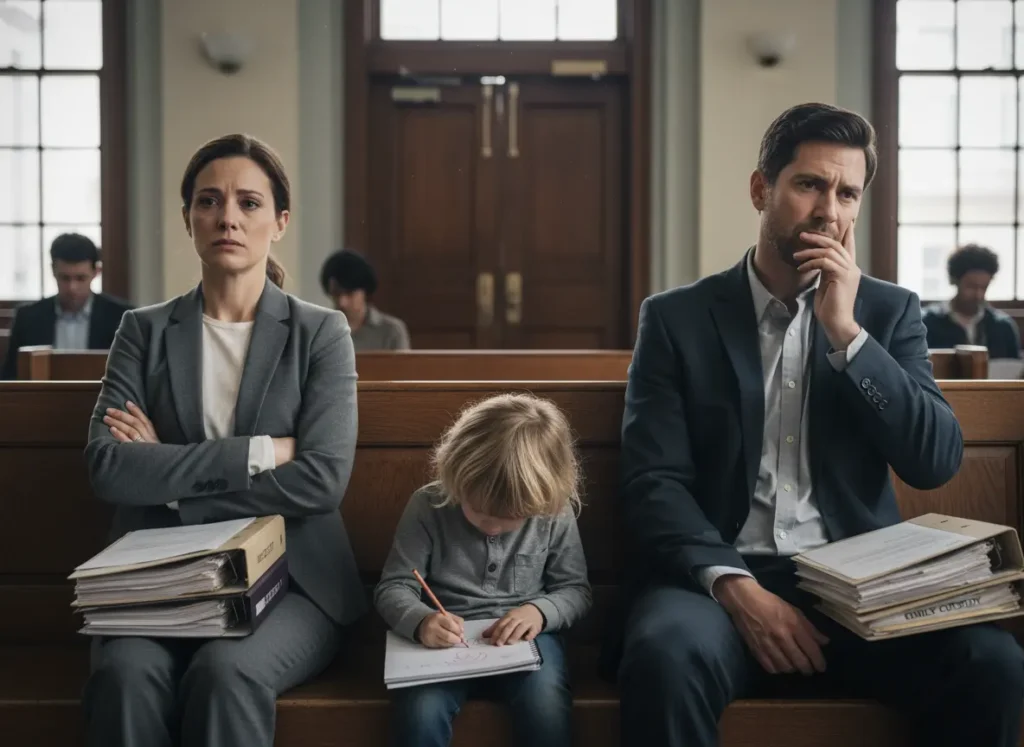
Child custody cases are about more than legal rights. They shape your relationship with your child, your role in their daily life, and their long-term stability. Courts move quickly, emotions run high, and early decisions often carry lasting consequences.
If you are dealing with child custody or visitation issues in Illinois, understanding how the system works helps you protect your child and your parental rights. Child custody disputes often overlap with other family law matters such as divorce and support.
How Illinois Defines Child Custody
Allocation of Parental Responsibilities
Parental responsibilities involve decision-making authority over major areas of a child’s life, including:
– Education
– Healthcare
– Religion
– Extracurricular activities
Responsibilities may be shared or granted primarily to one parent.
Parenting Time and Visitation
Parenting time refers to when each parent spends time with the child.
Visitation schedules may include:
– Weekday and weekend time
– Holidays and school breaks
– Summer schedules
– Virtual or supervised visits when required
Parenting time is a court order and must be followed.
Factors Courts Consider When Deciding Custody
Illinois courts focus on the best interests of the child. Judges consider:
– Each parent’s involvement in the child’s life
– The child’s needs and routine
– Ability of parents to cooperate
– History of abuse, neglect, or domestic violence
– The child’s adjustment to home and school
Courts do not favor one parent based on gender.
Joint Custody vs Sole Custody
Joint Parental Responsibilities
Joint arrangements may work when parents can communicate and cooperate. Courts may approve joint decision-making when:
– Both parents are actively involved
– Conflict is manageable
– The child benefits from shared authority
Sole Parental Responsibilities
Sole responsibility may be granted when:
– Ongoing conflict prevents cooperation
– One parent poses safety concerns
– One parent has limited involvement
The goal is stability, not punishment.
Visitation Modifications and Enforcement
Custody and visitation orders can be modified when circumstances change.
Common reasons for modification include:
– Relocation
– Changes in work schedules
– Safety concerns
– Repeated violations of court orders
Failure to follow visitation orders can result in legal consequences.
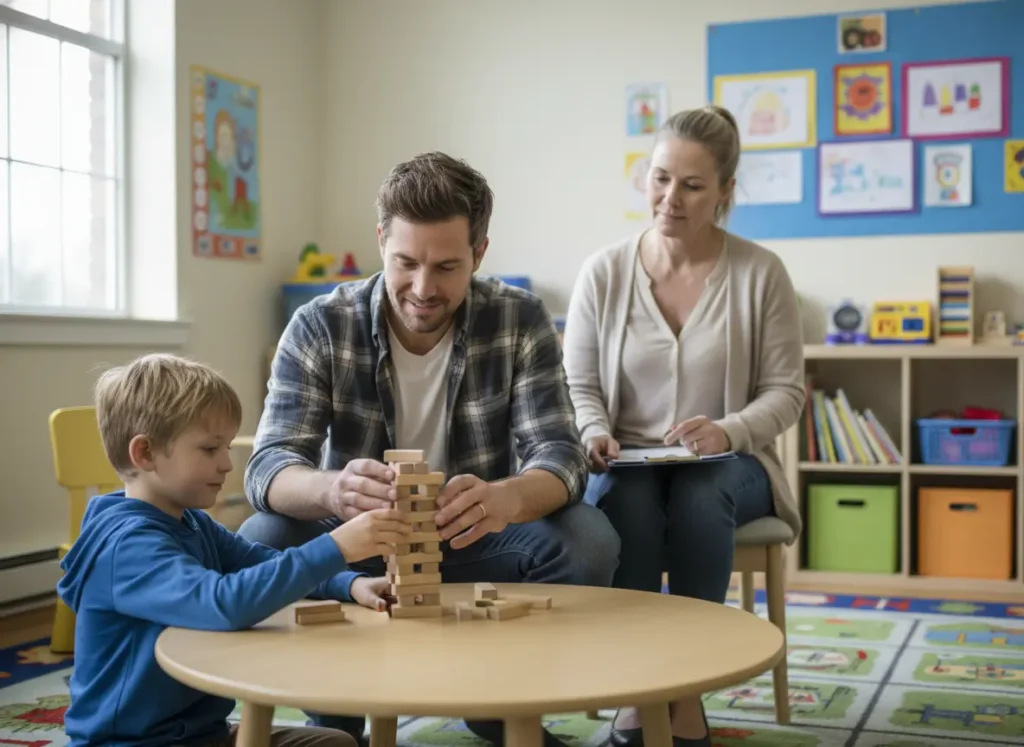
Supervised Visitation
In some cases, courts require supervised visitation to protect the child.
Supervision may be ordered when there are concerns involving:
– Substance abuse
– Domestic violence
– Mental health issues
– Risk of abduction
Supervised visitation may be temporary or ongoing, depending on the situation.
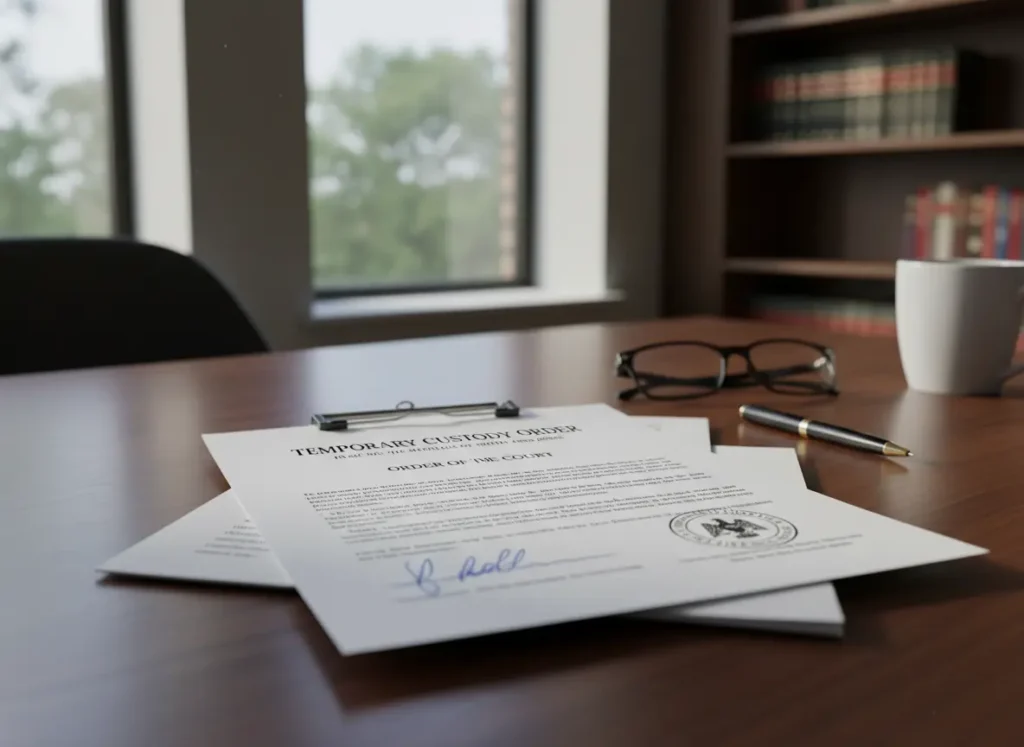
Temporary Custody Orders
During divorce or separation, courts often issue temporary custody and visitation orders.
Temporary orders may set:
– Parenting schedules
– Decision-making authority
– Restrictions on contact
These orders often influence final outcomes.
Why Early Legal Guidance Matters
Custody cases move fast and mistakes are difficult to undo. Early representation helps:
– Protect your parental rights
– Prevent harmful temporary orders
– Present strong evidence
– Keep the focus on your child’s best interests
Waiting limits your options.
What Parents Should Avoid During Custody Disputes
During a custody case:
– Do not involve children in legal conflicts
– Do not violate court orders
– Do not speak negatively about the other parent to the child
– Do not make unilateral decisions affecting the child
Courts notice behavior
Speak With a Child Custody and Visitation Lawyer
Child custody cases are not about winning. They are about protecting your child and preserving your role in their life.
If you are facing child custody or visitation issues in Illinois, schedule a confidential consultation with a family law attorney who will help you navigate the process and advocate for your child’s best interests.