Drug Possession and Distribution Defense Attorney in Springfield, IL

Facing Drug Charges in Springfield, Illinois

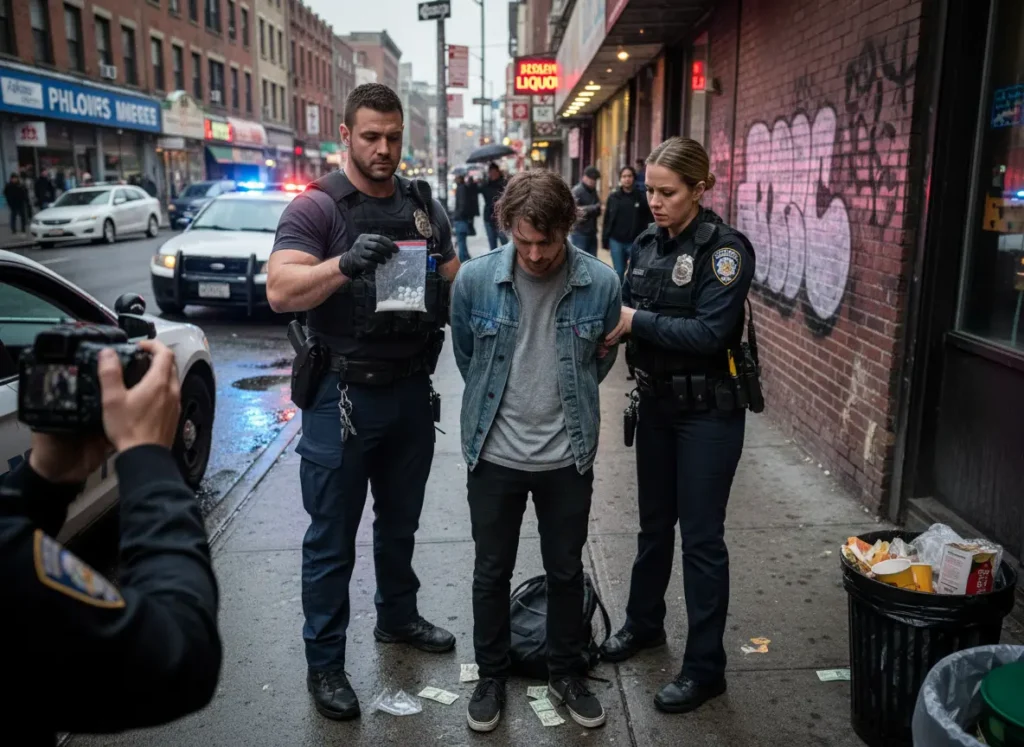
Drug charges in Illinois carry serious consequences. Possession, intent to deliver, or distribution allegations often lead to felony charges, mandatory prison exposure, and long-term damage to your record. If you are charged with a drug crime in Springfield, Illinois, you need a defense attorney who understands how prosecutors build these cases and how to dismantle them.
An arrest is not a conviction. Evidence, procedure, and intent matter.

Drug Possession and Distribution Charges in Illinois

Illinois law separates drug offenses based on type, quantity, intent, and prior history. Even small amounts can trigger felony charges if the state alleges intent to distribute.

Common drug charges include:

– Possession of a controlled substance
– Possession with intent to deliver
– Drug distribution or delivery
– Manufacturing controlled substances
– Drug trafficking
– Conspiracy to distribute drugs
– Cannabis possession or distribution
– Methamphetamine precursor offenses

State and federal prosecutors pursue these cases aggressively. Early defense strategy matters.

Possession vs Intent to Deliver

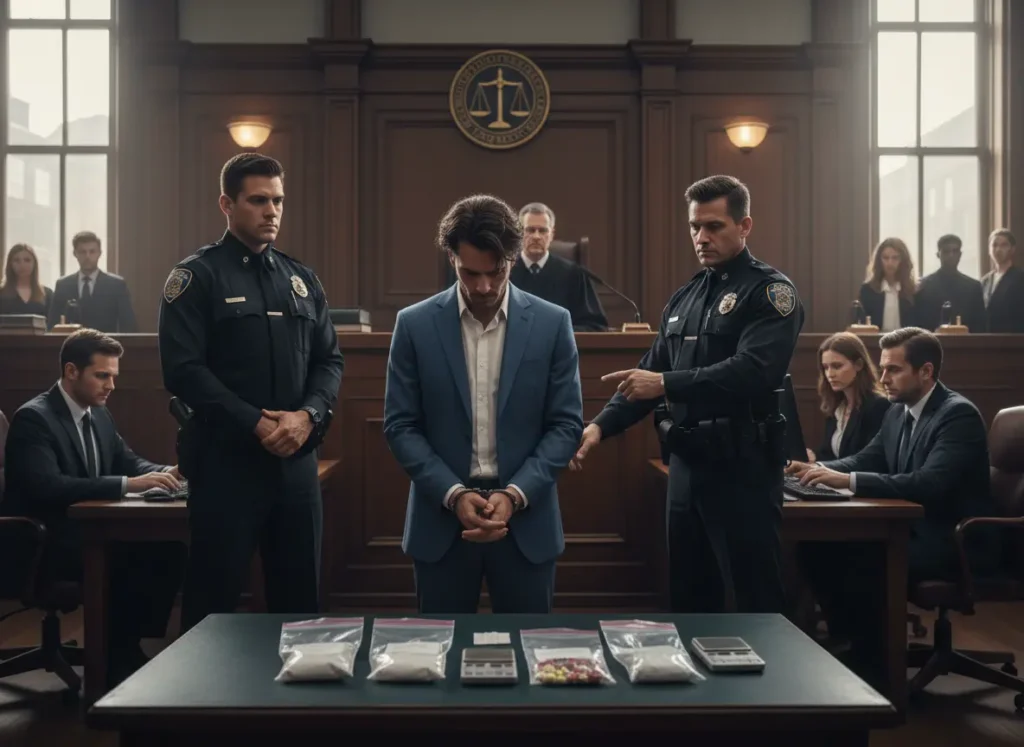
Possession means the state claims you knowingly had control over an illegal substance. Distribution charges go further. Prosecutors must prove intent to sell or deliver.

Intent is often inferred using:

– Quantity of drugs
– Packaging materials
– Cash or ledgers
– Text messages or call records
– Alleged informant statements

Intent is not automatic. Many cases overreach.

Areas Served

Andrew Affrunti represents clients throughout Central Illinois

Penalties for Drug Crimes in Springfield, IL

Drug convictions often result in:

– Felony records
– Prison or jail sentences
– Heavy fines
– Probation with strict conditions
– Loss of employment opportunities
– Loss of housing eligibility

Sentencing depends on charge level, prior history, and evidence strength.

Defenses to Drug Possession and Distribution Charges

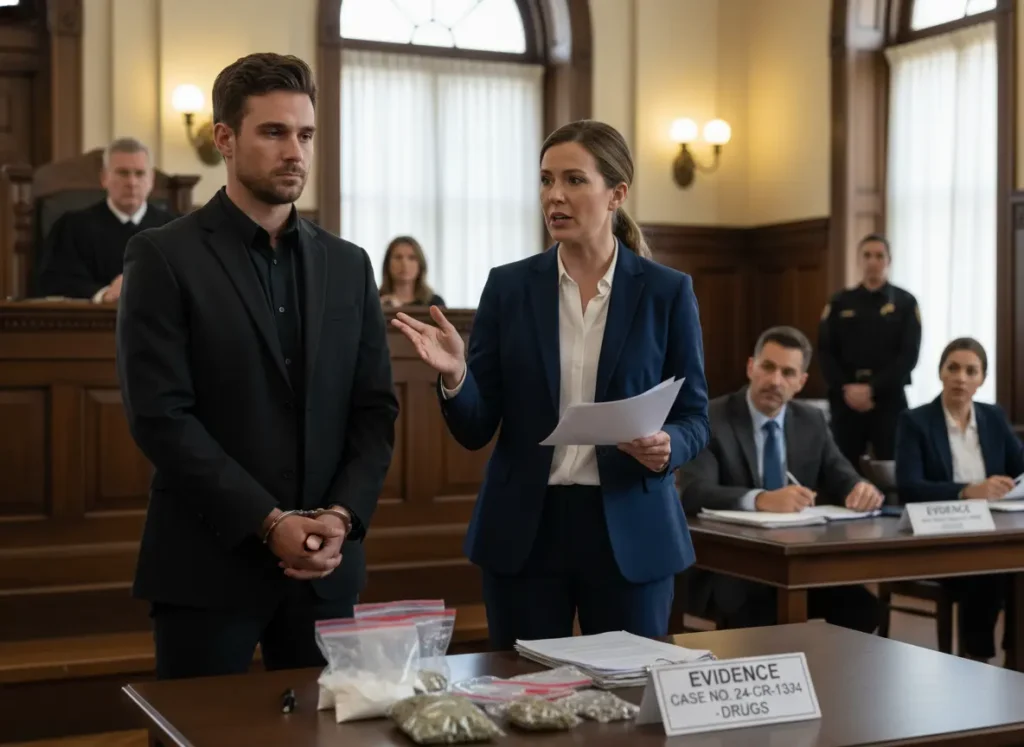
Every case is fact-specific. Common defense strategies include:

Lack of Possession or Knowledge
The state must prove you knowingly possessed the drugs. Presence alone is not enough.

Challenging Intent to Distribute
Large quantities do not automatically prove intent. Context matters.

Illegal Search and Seizure
Police must follow constitutional limits. Evidence obtained through unlawful searches can be suppressed.

Informant Credibility Issues
Confidential informants often have incentives. Reliability matters.

Chain of Custody and Testing Errors
The prosecution must prove the substance is illegal and properly handled.

Felony Classifications and Sentencing Exposure

Illinois classifies drug offenses based on substance type and weight. The difference between a few grams can mean the difference between probation eligibility and mandatory prison exposure.

Drug charges are typically categorized as:

– Class 4 Felony
– Class 3 Felony
– Class 2 Felony
– Class 1 Felony
– Class X Felony

Higher classifications carry mandatory prison ranges and, in some cases, mandatory supervised release terms after incarceration. Prior felony history can enhance sentencing ranges and remove probation eligibility.

Certain substances such as heroin, fentanyl, cocaine, and methamphetamine often trigger harsher treatment. Allegations involving proximity to schools, public housing, or parks may also increase penalties.

Charging decisions matter. Weight calculations matter. Lab testing matters.

Early review of police reports, charging documents, and forensic results often reveals leverage that changes negotiation posture or trial strategy.
Understanding sentencing exposure from the beginning allows you to make informed decisions rather than reacting under pressure.

Search and Seizure Violations in Drug Cases

Many drug cases rise or fall on Fourth Amendment issues. You are not required to consent to searches.

Key issues include:

– Lack of a valid warrant
– Invalid traffic stops
– Improper vehicle searches
– Unreliable K9 alerts
– Delayed drug dog deployment
– Unlawful home searches

If evidence is suppressed, charges often collapse.

Alternative Sentencing Options in Illinois Drug Cases

Some defendants qualify for sentencing alternatives that avoid prison and sometimes avoid convictions.

Possible options include:

– TASC probation
– First offender probation
– Specialty drug courts
– Treatment-based sentencing

Eligibility depends on criminal history, charge type, and prosecutorial approval.

State and Federal Drug Defense Experience

Drug cases may be charged in:

– Sangamon County Circuit Court
– Central District of Illinois federal court

Defense strategies differ between state and federal cases. Experience in both matters.

What To Do After a Drug Arrest

If you are arrested or under investigation:

– Do not make statements to police
– Do not consent to searches
– Do not assume the case is unbeatable
– Speak with a defense attorney immediately

Early mistakes limit defense options.

Frequently Asked Questions

What should I do if I am arrested for drug possession in Illinois?

Remain calm and do not make statements to police. Do not answer questions about the alleged drugs or where they came from. Speak with a defense attorney as soon as possible to review the charges and protect your rights.

Can I be charged with drug possession if the drugs were not found on me?

Yes. Illinois law allows prosecutors to argue constructive possession. This means the state claims you had control or knowledge of the drugs even if they were not physically on you. These cases often depend on circumstantial evidence.

What is the difference between possession and intent to deliver?

Possession involves having control over an illegal substance. Intent to deliver involves allegations that the drugs were meant for sale or distribution. Prosecutors often rely on factors like quantity, packaging, or alleged communications to claim intent.

Can an illegal search lead to drug charges being dismissed?

Sometimes. If police violated constitutional search and seizure rules, the court may suppress the evidence obtained during the search. When key evidence is excluded, the prosecution’s case can weaken or collapse.

Are first-time drug offenses treated differently in Illinois?

In some cases, first-time offenders may qualify for diversion programs, treatment-based sentencing, or probation alternatives. Eligibility depends on the type of drug, quantity involved, and the defendant’s criminal history.

Drug Possession and Distribution Defense in Springfield, IL

Call Us 24/7

217-528-2183

FREE CONSULTATION 217-528-2183